

























































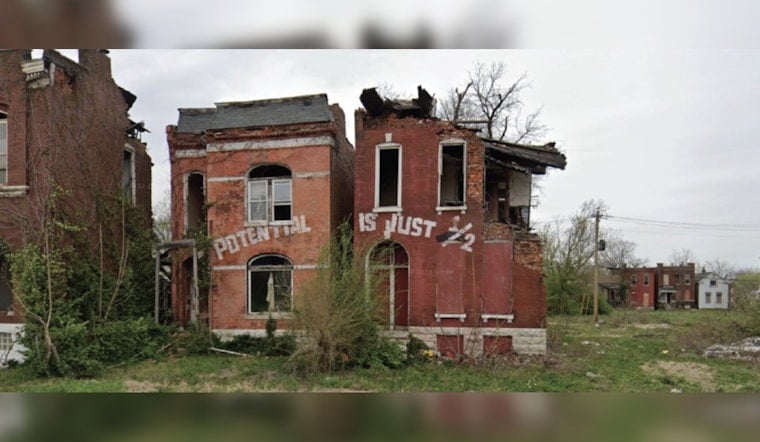
The City of St. Louis has implemented programs to address vacant properties and add public art and green spaces. The Community Development Administration’s (CDA) 2020–2024 Impact Report outlines these efforts, which involve community input, data analysis, and coordination with local organizations and government agencies. The report is available on the city’s website.
The Vacancy Strategy Initiative (VSI) is designed to address around 24,000 vacant parcels and 9,000 vacant buildings in St. Louis. The initiative emphasizes community engagement, allowing residents to contribute to decisions affecting their neighborhoods. A comprehensive report is planned for 2025 to summarize findings and recommendations. In partnership with the St. Louis Regional Data Alliance, the initiative is also providing tools to help the public and policymakers track progress and understand vacancy challenges.
Public art is a key part of the CDA’s efforts to enhance neighborhoods. The St. Louis Mural Project (STLMP) has added murals by local artists across 14 wards. Additionally, the CDA’s partnership with 4TheVille created a pocket park honoring Tina Turner, highlighting the city’s focus on incorporating local culture and heritage into public spaces.
In urban agriculture, CDA-supported programs like Seed St. Louis and the Dutchtown Main Street Virginia Community Garden are helping bring green spaces to the city. These areas feature flowers, plants, and community-run markets, providing spaces for neighbors to connect and supporting local food systems. Lot maintenance continues to be a focus, with organizations such as the Land Reutilization Authority working to maintain vacant properties.
St. Louis has invested in green infrastructure, working with partners like the Metropolitan Sewer District and the Missouri Department of Conservation. These efforts focus on addressing environmental challenges, such as urban flooding, while enhancing city spaces. Programs like stormwater management by Great Rivers Greenway and tree planting by Forest ReLeaf aim to provide long-term benefits for both the environment and the city.


