

























































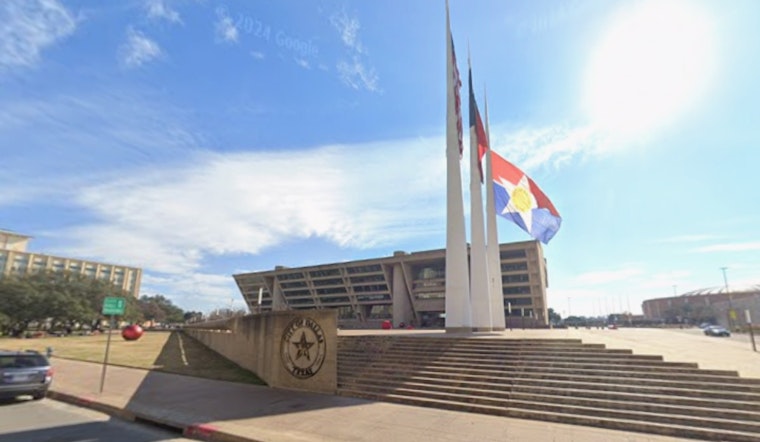
Dallas could soon put artificial intelligence on its garbage routes, with city leaders weighing a plan to mount AI-powered cameras on sanitation trucks to flag illegal dumping, overgrown lots and graffiti as crews roll through their regular rounds. The City Council is scheduled to consider the contract Wednesday.
According to the City of Dallas agenda packet, the City Manager is asking for approval of a roughly $2.56 million, three-year contract with City Detect Inc. The deal would cover purchase, installation, staff training and maintenance of the camera system across sanitation and code-compliance operations. The legislation calls for 100 AI-enabled data-collection units mounted on 50 brush-and-bulk trucks, with money coming from the Sanitation Operation Fund.
The proposal builds on a 2024 pilot that officials say used City Detect cameras on code-compliance vehicles and flagged roughly 3,000 potential violations in just a few days; that test also generated "heat maps" that helped staff pinpoint trouble spots, The Dallas Morning News reported. City managers told reporters that hardware installation would take about 60 days and that full deployment could begin in early to mid-2026 if the contract is approved, according to the paper.
Not everyone is thrilled about having trash trucks quietly scanning the streets. Some residents and neighborhood advocates have raised questions about how long images will be stored and who gets to see them, concerns that Dallas Free Press documented. City staff and the vendor say the system is meant to focus on structures in the public right of way, that images can be blurred to hide faces and license plates, and that access would be limited to licensed city reviewers before any enforcement action is taken.
How the cameras would work
City documents describe two cameras per truck, mounted at street level to capture curbside conditions in still images along normal routes. Any potential violations spotted by the software would be geotagged and fed into an analytics dashboard for code staff to review. Officials emphasize that a human reviewer would confirm any flagged issue before a notice or citation is issued, and that cameras will not be positioned to look over fences or into private yards, according to the City of Dallas agenda packet.
Who is behind the technology
City Detect traces its origins to research at the University of Alabama, where early "trash cam" concepts were developed and later taken to market. The company has piloted similar programs in other municipalities, and Hypepotamus reports that it has secured seed funding. CEO Gavin Baum-Blake has described the platform as focused on community enhancement rather than policing.
How to weigh in
Residents who want to speak on the proposal can register with the City Secretary; registration opened Dec. 4 and the deadline to sign up is today at 5 p.m., according to the City Secretary’s office. The council meeting is scheduled for 9 a.m. Wednesday in Council Chambers at Dallas City Hall, and the City Secretary’s rules outline how to register and submit materials in advance.
City staff argue the cameras would help keep neighborhoods cleaner and allow Dallas to deploy cleanup crews more efficiently, while experts are urging strict privacy and governance safeguards, as WFAA reported. The item is expected to land on the council consent agenda Wednesday, with public comments likely to home in on both the promised cleanup benefits and the privacy guardrails that will surround this new layer of AI on the city’s streets.





