

























































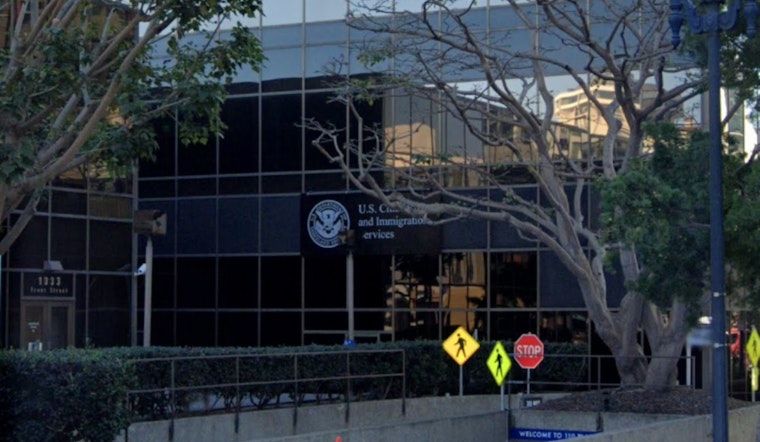
Naturalization interviews and oath ceremonies were abruptly canceled across the country yesterday, including in San Diego, leaving many applicants who thought they were at the finish line suddenly stuck in limbo. Some had already passed their interviews and been told to expect their oath, only to arrive with family members and American flags and be informed at check-in that nothing was going forward. Multiple field offices were affected, and staff and organizers were left scrambling to spread the word in real time.
According to CBS 8, candidates in San Diego received last-minute notices that both naturalization interviews and oath ceremonies had been canceled. NBC 7 San Diego reported similar confusion at local ceremony sites and noted that field offices were trying to reach people by mail and email. Advocates told reporters the sudden change left families with carefully laid travel plans and childcare arrangements upended.
What changed at USCIS
Field offices have told applicants that the scheduling chaos is tied to a new vetting pause inside U.S. Citizenship and Immigration Services that has redirected staff and put certain adjudications on hold. Reuters reported that earlier this month the agency issued guidance ordering pauses and extra review for cases connected to a list of 19 higher risk countries.
The internal directive, identified in legal alerts as Policy Memorandum PM-602-0192, instructs adjudicators to hold pending asylum claims and many other benefit requests for nationals of the 19-country list so their files can be re-screened or re-interviewed, according to a summary circulated among immigration practitioners. The memo also authorizes re-review of some cases that were previously approved, which attorneys say helps explain why some naturalization ceremonies were canceled at the last minute.
Who is affected
The list of affected countries includes nations such as Afghanistan, Somalia, Haiti, Iran and Venezuela and covers a mix of places that already faced certain travel-restriction rules, according to reporting and legal summaries. Immigration lawyers say the pause is likely to ripple beyond those nationalities as officers are pulled off their ordinary caseloads to handle the new rounds of review.
People were pulled from the line
Firsthand reporting underscores the emotional toll on would-be citizens who had studied for the civics test and waited years for this moment, only to be turned away at ceremony venues. TIME documented cases in which people were asked to step aside just minutes before taking the Oath of Allegiance, a scene advocates described as heartbreaking and bewildering.
Officials and advocates push back
Local community groups and elected officials have pressed USCIS to explain the cancellations and move quickly to reschedule ceremonies. U.S. Senate Majority Leader Chuck Schumer called the abrupt move “cruel” and urged the agency to reinstate ceremonies and reschedule affected candidates, according to his office.
What applicants should do
USCIS has instructed field offices to reschedule the people caught up in the pause, but advocates say applicants should take a few precautions while they wait. They recommend keeping contact information current with the agency, checking online case accounts and physical mail for new notices, and reaching out to congressional offices if a new date does not materialize. The agency’s own guidance makes clear that naturalization is not final until the Oath of Allegiance is administered at a valid ceremony, so those who were pulled from the line remain in a precarious holding pattern while the reviews continue.
Legal options
If USCIS does not make a decision within 120 days after a naturalization interview, federal law allows an applicant to seek a hearing in U.S. district court under 8 U.S.C. § 1447(b), an option some attorneys say could be used if cases remain stalled for months. Legal resources and case law explain how the 120-day clock can trigger judicial review in situations involving prolonged delays.
For now, applicants in San Diego and around the country are waiting for new ceremony dates and clearer guidance from the agency. Reporters and lawmakers say the next several days will be key in showing whether USCIS can offer a firm timeline to people who believed they were finally at the finish line. Reuters noted that the agency has said affected individuals will be rescheduled while the review is underway.




