

























































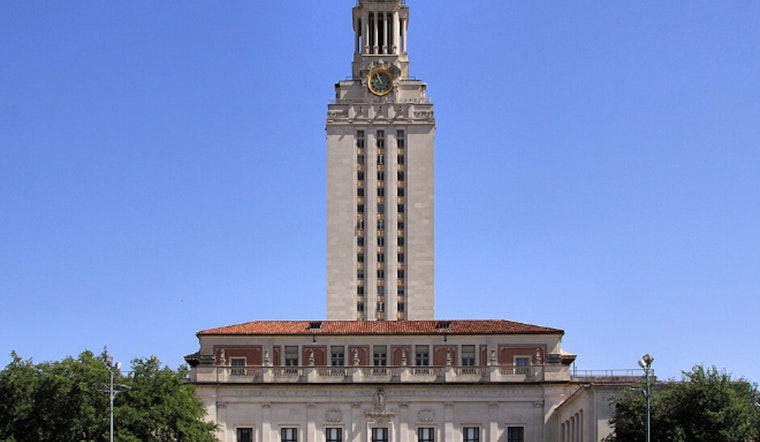
The University of Texas at Austin let bottles of Feel Free, a small blue “wellness” tonic made with kratom and kava, circulate at campus events under an official sponsorship even as state health officials were sounding alarms. Students and runners who tried the drink at gatherings such as the 2023 Longhorn Run later reported feeling dependent on it, and the sponsorship was not officially dropped until July 2025.
A spike in poison-control calls
By 2025, state health officials were publicly worried. According to the Texas Department of State Health Services, the Texas Poison Center Network logged 192 reports that year involving kratom or products containing 7-hydroxymitragynine (7-OH), compared with 107 similar reports in 2024. Nineteen of the 2025 cases involved concentrated 7-OH products, and 11 of those patients needed care at a healthcare facility. Officials warned that symptoms can include nausea, agitation, difficulty breathing, seizures and even loss of consciousness.
How the drink reached the Forty Acres
Botanic Tonics, the company behind Feel Free, secured a sponsorship deal with Longhorn Sports Properties in January 2022. The agreement let the company market the tonic and hand out samples at Texas Athletics events. The university later removed Botanic Tonics from its sponsorship page in July 2025. The Daily Texan reported that Feel Free ran a booth at the Longhorn Run on April 1, 2023, offering free bottles to runners. Campus advocates say some students who grabbed the blue bottles did not realize they contained kratom and kava.
Legal fallout and company response
As the product spread, complaints eventually turned into a class action lawsuit that the company moved to resolve with a settlement of roughly $8.75 million. Details of the agreement and claim deadlines are laid out on FeelFreeClassAction.com. In its public response, Botanic Tonics has said its formulas rely on natural kratom leaf and that the company has updated its labels and added age restrictions.
Students and influencers say it hooked them
Former users say dependence crept up quickly once Feel Free became part of their routine. Wellness influencer McKenzie Wisdom told The Texas Signal that the drink “landed me in rehab” after she was consuming multiple bottles per day. Other students have posted about withdrawal symptoms and cravings after first trying the tonic at campus events. Coverage in outlets such as The Guardian has traced how wellness podcast ads and retail deals pushed the blue bottle out of niche shops and into convenience stores and public events.
Legal and regulatory landscape
At the federal level, regulators started eyeing the key compound itself. In mid-2025, the Food and Drug Administration recommended that 7-OH be placed under tighter control because of its opioid-like effects, as Reuters reported. Texas lawmakers had already passed the Kratom Consumer Health and Safety Protection Act, Senate Bill 497, in 2023 to ban concentrated 7-OH products. Even so, enforcement has been uneven, and concentrated products have remained easy to find. The Texas Tribune reported that concentrated 7-OH items were still sitting on store shelves across the state despite the statute.
What students should know
Health officials urge people to avoid any product that lists 7-OH or that advertises concentrated kratom extracts on the label. They advise calling the Poison Help Line at 1-800-222-1222 if someone becomes ill after using such a product, according to the Texas Department of State Health Services. UT Austin’s decision to end the sponsorship removed the most visible on-campus link to Feel Free, but students and health advocates say the real issue is the stream of pocket-size, lightly labeled bottles and gummies still for sale. They argue that retailers and regulators need to do more to keep concentrated 7-OH products off the market.





