

























































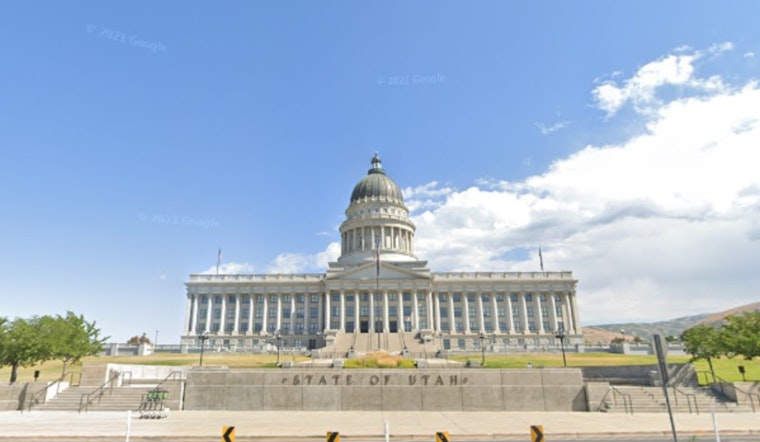
In a move to restore what lawmakers describe as stability and integrity to the state's election process, the Utah Legislature is set to convene in a special session, following a summons from Gov. Cox. This gathering comes in the wake of court rulings that have cast a shadow of uncertainty over how elections are run, raising concerns around transparency and accountability among officials and voters alike. The special session is designed to address the legislative aftermath of these rulings and to clarify measures enacted during the 2025 regular session.
The focus of the session, as stated by President J. Stuart Adams and Speaker Mike Schultz's, revolves around ensuring a "stable, transparent and accountable process for redistricting" that preserves the traditional balance of power and amplifies the will of Utah's electorate; they cite that a majority 71%, of Utahns polled support elected officials' involvement in the redistricting process. Tackling three bills and two joint resolutions, legislators aim to solidify the rules affecting congressional candidate filings, adjust legal procedures connected to election disputes, affirm the Utah Supreme Court's jurisdiction over such cases, and overturn prior amendments concerning public sector labor unions, according to the Utah Senate.
Key legislative adjustments target election protocols, with Sen. Sandall and Rep. K. Peterson recommending amendments that establish a clear timeframe for congressional candidate filings, from January 2 to March 13 for intents to gather signatures, followed by a filing period running March 9 through 13. These proposals aim to leave undisturbed the processes for other candidates, retaining the conventional timelines for primaries and conventions.
Revisions concerning the judiciary, presented by Sen. Brammer and Rep. Burton, suggest a postponement in determining attorney fees in electoral cases until the full appeals process concludes, and notably, exempts government officials or entities from the requirement to post a bond for appeals. These changes come with the premise that election-related cases are generally expedited. Furthermore, they wish to emphasize the Utah Supreme Court's "exclusive and original appellate jurisdiction" over pertinent election and redistricting issues; Reflecting a defensive stance against recent court interpretations, a joint resolution by Rep. Snider and Sen. Wilson sternly reasserts the Legislature's constitutional mandate over redistricting matters, openly denouncing the court's "novel interpretations" as encroachments on their authority and a silencing of Utah's civic discourse.





