

























































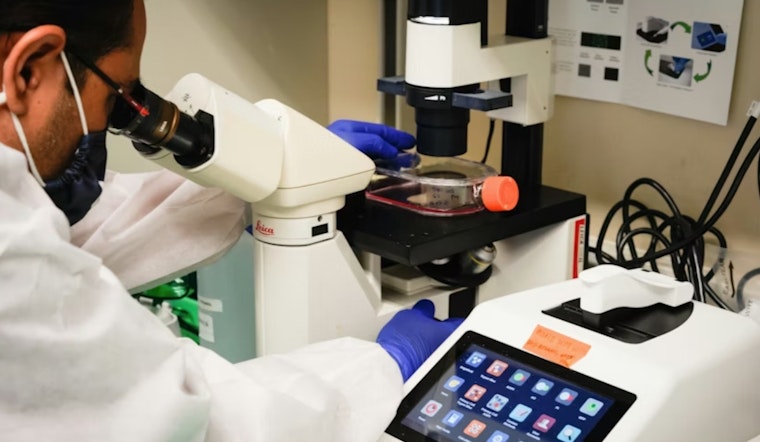
Researchers at The University of Texas at El Paso have uncovered what could be a significant step forward in treating high-grade serous carcinoma, an especially lethal form of ovarian cancer. As reported on the university's website, the five-year survival rate for women diagnosed with this cancer is under 50 percent. But thanks to new findings, there might be a ray of hope on the horizon.
In a study published in the scientific journal Scientific Reports, the UTEP team focuses on a protein known as Claudin-4 that becomes more prevalent in ovarian cancer and could be a key factor in the cancer's resistance. By targeting Claudin-4, researchers believe they can make the body's immune system more effective at identifying and subsequently taking on the tumors. Notably, the research led by Fabian R. Villagomez, Ph.D., and Benjamin G. Bitler, Ph.D., used animal models with immune systems akin to humans to study tumor responses.
One of the key strategies explored by the team involves a peptide called CMP that can block Claudin-4, coupled with a PARP inhibitor, a drug already in use for treating ovarian cancer. "Claudin-4 seems to help the tumor deal with these genetic changes, allowing it to survive, hide from the immune system, and avoid cell death," Villagomez said in a statement provided on UTEP's news release. This suppression of Claudin-4 in tandem with a PARP inhibitor has been shown in preliminary trials to slow tumor growth and boost immune response substantially.
However, the dual treatment strategy hasn't yet been tested in human patients, it's a process that requires rigorous testing and regulatory approvals. Looking forward, Villagomez hopes to establish a research network that spans various universities to accelerate development and bring this potential new treatment closer to clinical application. With more collaborative research, the breakthrough made at UTEP might someday translate into a viable treatment option for patients grappling with aggressive ovarian cancer.





