

























































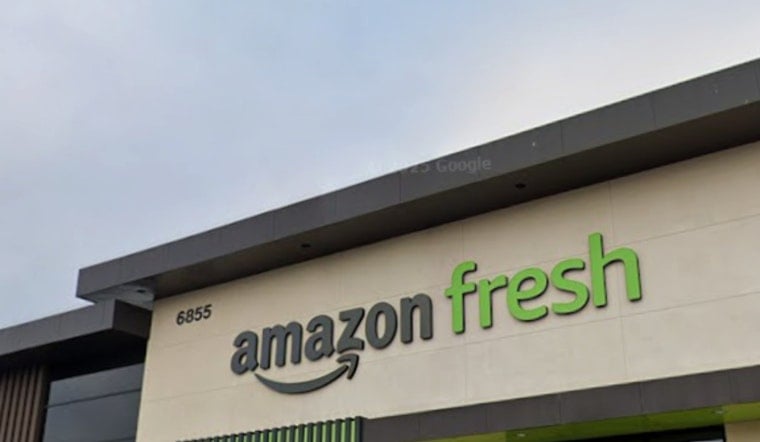
Amazon has announced that it will be closing all of its Amazon Fresh and Amazon Go store locations in order to shift focus to more profitable sectors within its vast ecosystem. In an unexpected turn of events, the e-commerce behemoth revealed that its brick-and-mortar grocery ventures did not generate the unique customer experience or economic model it had hoped for, indicating a strategic pivot away from the physical grocery sector.
Despite having previously laid the groundwork for numerous Amazon Fresh stores in the Metro Detroit area, these locations will not see the light of day. According to a Tuesday release, which WWJ Newsradio reported on, the company admitted that it hadn't yet created a brick-and-mortar model "with a distinctive customer experience." Instead, the company will repurpose some of these properties, transforming them into Whole Foods stores, with plans to expand the Whole Foods Market brand following the 2017 acquisition in a $13.7 billion deal.
The decision has led to varying responses from local officials and the public, particularly in those areas that had anticipated the introduction of Amazon's grocery outlets. Chuck Churmi, Plymouth Township supervisor, expressed his disappointment to the Detroit Free Press, saying, "That area is in need of a grocery outlet." However, Amazon remains focused on expanding its Whole Foods footprint, with more than 100 new stores slated to open over the next five years, signaling a continued commitment to physical retail under the Whole Foods brand.
While Amazon's foray into physical grocery stores has come to an end, its presence in the grocery delivery space continues to strengthen. Last December, Amazon ramped up its same-day delivery service to over 2,300 U.S. cities and towns, a move that underscores its strategic realignment towards its core strengths in e-commerce and logistics. As GlobalData's managing director, Neil Saunders pointed out in an analysis cited by CNN, despite the closure of Amazon Fresh and Go stores, Amazon's grocery sector remains a $150 billion business that "continues to take significant levels of market share across grocery."



