

























































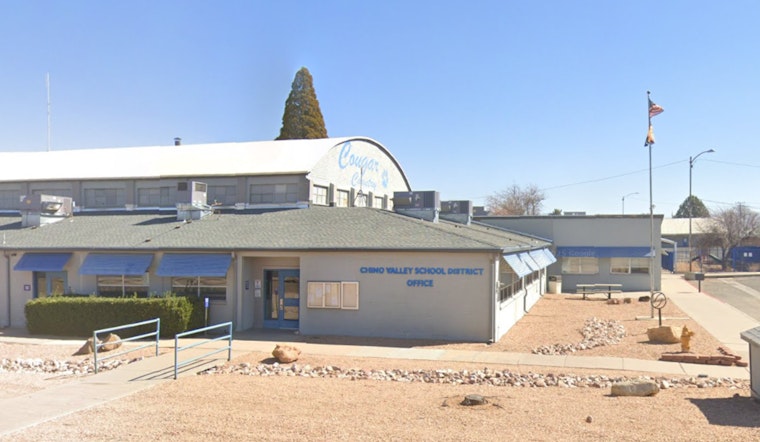
In an effort to tackle the challenge of teacher recruitment and retention, one Arizona school district has opted for an innovative housing solution. The Chino Valley Unified School District in Yavapai County has built 10 affordable tiny homes intended for educators looking for an economical living option. According to FOX 10 Phoenix, Malachi Daniels, a third-grade teacher at Del Rio Elementary, has found comfort in the area's close proximity to nature, alongside an affordable place to live.
The allure of the natural environment and recreational opportunities seems to be a significant factor for Daniels. "I love fishing, I love hiking and so living in this Prescott area, this Chino Valley area was important to me," Daniels told FOX 10 Phoenix. "It was important to have lakes nearby and hiking trails nearby." The housing, which is just a stone's throw away from the school property, provides not just convenience but also financial relief for teachers like Daniels who are in the initial stages of their careers.
With the average home in Chino Valley costing around $430,000 and rent averaging $2,250 per month, the district's tiny homes are priced at a much more manageable $550 per month—a deduction taken directly from the teachers' paychecks. This setup is particularly appealing to international teachers, who may face transportation challenges due to the lack of an international driver's license. Yahoo News reports that Superintendent Cindy Daniels sees this as a crucial benefit, ensuring that these educators remain close to their workplace.
The project, representing a significant investment and aided by grants, also serves to aid teachers experiencing personal financial setbacks. Superintendent Daniels highlighted that the housing could assist teachers facing unexpected life events, stating to FOX 10 Phoenix, "Maybe a death of a spouse, a divorce, things like that and they're not in a position, they need to financially recover." This initiative seems to be fostering a sense of stability for younger individuals entering the education workforce, which is deemed beneficial for students.
For Daniels, this project represents more than just a housing solution. "I'm really starting to get my setting in my adult life and I feel like it's really prepared me to continue my life in Chino which is really nice, especially being away from family and friends and being here alone," he said in an interview with FOX 10 Phoenix. The tiny homes appear to be a stepping stone toward creating a vibrant educational community, enabling districts to attract and retain the quality educators necessary for student success.





