

























































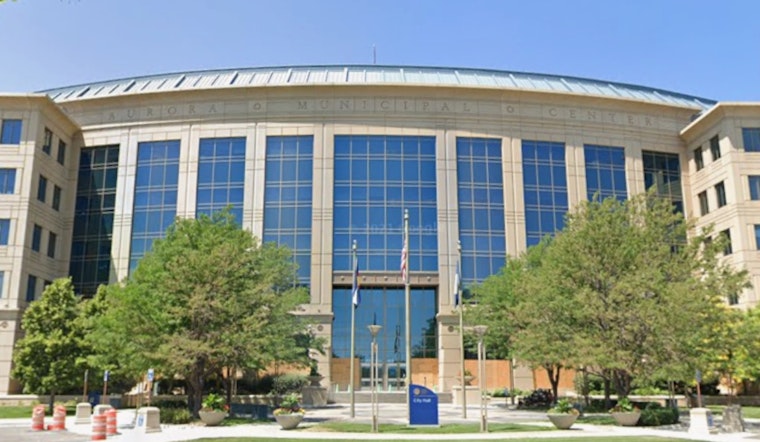
Aurora’s newly seated city council is wasting little time before wading into one of the city’s most sensitive topics: who gets to keep an eye on the police, and how independent that oversight should be.
Councilmembers Gianina Horton, Amy Wiles, and Alison Coombs hosted a public forum last Tuesday to walk residents through options for a civilian oversight office that could independently review police operations and be insulated from future political rollbacks. They outlined models used in other cities, took questions, and set a follow-up community roundtable for next Thursday at 6 p.m., where residents are expected to weigh in on what powers and protections the new office should have.
A consent decree and a bruised record
Aurora is still operating under a state consent decree that grew out of a 2021 investigation into patterns and practices of excessive force and other systemic problems inside the police department. That probe, led by Colorado Attorney General Phil Weiser, followed the 2019 death of Elijah McClain and resulted in a legally binding agreement that requires changes to training, use-of-force policy, data collection, and community engagement.
Councilmembers are treating that consent decree as the floor, not the ceiling. Any new civilian oversight office will have to operate alongside those requirements for now, and possibly be sturdy enough to outlast them once the decree eventually expires.
Who’s been monitoring the consent decree
For several years, Aurora’s compliance with the consent decree has been overseen by a contracted monitor, IntegrAssure. The city has reported spending roughly $3 million on monitoring and oversight work through early 2025. That outside-monitor arrangement, plus a Community Advisory Council created under the decree that later experienced major turnover in 2024, framed much of the public forum’s debate about how independent and robust any permanent oversight system needs to be.
Local reporting has described the contractor as functioning more like a reviewer than a body with day-to-day authority over police operations, a role that many residents have viewed as too limited to count as full accountability infrastructure, according to Sentinel Colorado.
What Denver's experience shows
Speakers from Denver walked Aurora residents through the evolution of Denver’s Office of the Independent Monitor, which has grown into a staffed agency that focuses on transparency, public reporting, and data analysis, but still cannot unilaterally impose discipline on officers. Final disciplinary decisions sit elsewhere, a structural gap that has drawn fire from auditors and watchdogs and that Aurora officials now have to consider as they pick their own model.
The National Association for Civilian Oversight of Law Enforcement (NACOLE) lays out the main choices that cities tend to wrestle with: review boards, investigative bodies, audit or monitor models, or some hybrid, with an emphasis on fitting powers and funding to local needs and resources. Coverage in the Denver Gazette has also underscored the legal limits and constraints that can blunt enforcement, even when an oversight office looks strong on paper.
Money and independence: Aurora's balancing act
City Manager Jason Batchelor told attendees that money has already been set aside in the current budget to begin building a public-safety oversight “function,” although he did not specify how much. Councilmembers said they are focused on structural independence, stable funding, and protections that would make it harder for a future council to quietly unwind the office’s authority.
Forum participants were reminded that Denver’s oversight system operates at a far larger scale, which sharpened questions about how Aurora could realistically staff and fund something similar while still keeping it insulated from political pressure, according to Sentinel Colorado.
How to weigh in
Residents looking for official documents, monitor reports, or information about upcoming meetings can turn to the website of the Office of the Independent Consent Decree Monitor, which posts reports, key dates, and contact information for the monitorship. The site also explains how to request a listening session and where to file complaints with the Aurora Police Department. The Office of the Independent Consent Decree Monitor lists its address and lays out resources for public input.



