

























































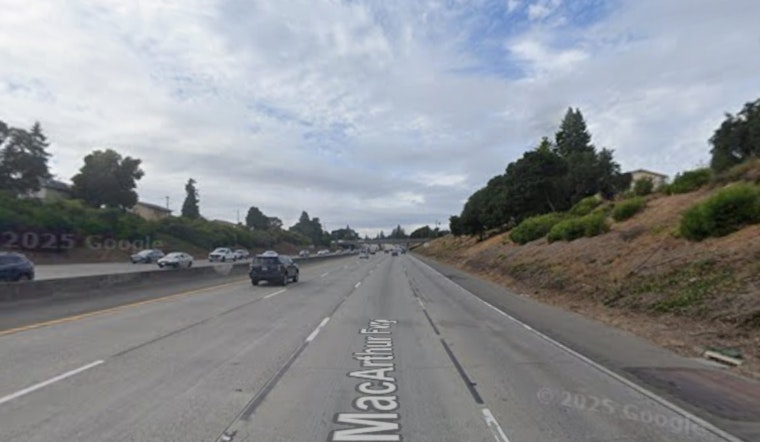
A long-simmering Oakland freeway fight is back on the front burner, as Caltrans launches a new study on whether to lift the decades-old ban on heavy trucks along a key stretch of Interstate 580. Neighbors who live near the highway say letting big rigs back on the road would fuel diesel pollution and crank up crash risks. Freight advocates and some elected officials counter that changing the rules could ease the daily grind on I-880 and speed goods in and out of the Port of Oakland. For now, state officials insist this is only a technical review, not a done deal, and any real change would still have to go through the Legislature.
Caltrans Study: What It Will Look At, And For How Long
Caltrans District 4 has kicked off the I-580 Truck Access Study, which will compare traffic with and without the current truck weight restriction. The analysis will model impacts on congestion, safety, noise, and air pollution, and it will include a racial equity assessment plus coordination with the Bay Area Air District. The agency estimates the work will take roughly 18 to 24 months. Officials are quick to underline that the study itself does not change any law and that repealing the ban would still require state legislation, according to Caltrans.
How A 1950s Ban Shaped Modern Oakland
The truck restriction traces back to local bans on MacArthur Boulevard in the 1950s and was extended when I-580 was built, which means it has been in place for about seven decades. Community advocates and local reporting point out that this rule effectively shunted most big-rig traffic onto I-880 through East Oakland's flatlands, helping create stark differences in diesel pollution and health outcomes between neighborhoods. As reported by Oaklandside, earlier government reviews recommended keeping the ban, and in 2000 the restriction was written directly into state law.
Neighbors Warn Lifting Ban Would Just "Relocate Pollution"
Residents and advocacy groups lined up against reopening the route argue that changing the rules now would simply move the harm from one set of neighborhoods to another rather than fix unequal exposure to diesel exhaust. Donald Duggan, who leads the local group NoBigRigs580, said ending the ban "would relocate pollution rather than eliminate it" and has instead called for eliminating diesel trucks from the Port of Oakland and reducing them on freeways overall.
People who live close to I-580 are also voicing safety worries. One resident, Russell, said he fears more big-rig crashes if the ban disappears. Another neighbor, Angeles, told reporters that if larger trucks are allowed, saying, “Traffic lights being incorporated, patrols of some watchers because we wouldn’t want any accidents out here," as KRON4 reported.
Freight Backers Tout Cleaner Engines And Faster Routes
On the other side, trucking advocates and some East Bay officials argue that reopening I-580 could give freight haulers shorter, more efficient routes to and from the Port of Oakland and relieve some of the daily crush on I-880. They also point out that heavy-duty truck engines keep getting cleaner as newer models hit the road.
Research and local reporting have documented large differences in pollutant levels along the two freeways, a talking point that often surfaces in trade and freight debates, as KQED has noted. Even so, Caltrans staffers say they are not walking into this process with a prewritten ending. "Caltrans does not have any pre-determined recommendations on whether to remove the I-580 truck ban," project staff told KRON4.
Legal Hurdles: Why Sacramento Gets The Final Call
For all the fireworks at the local level, the key rule lives in state law. The I-580 prohibition is codified in the California Vehicle Code and enforced through signs at each end of the restricted segment. Any repeal would require the state Legislature to pass new language and update the statute.
The specific limit, which bans vehicles with a gross weight of 9,000 pounds or more on the stretch of I-580 between Grand Avenue and Foothill Boulevard, is spelled out in state documents, as outlined by Caltrans. Because of that legal setup, the Caltrans study can only recommend options. Lawmakers in Sacramento will ultimately decide whether anything changes on the ground.
What Happens Next
As the analysis rolls on, Caltrans and partner agencies plan to keep up public outreach through town halls, surveys, and technical workshops, with residents, business groups, and local governments all invited to weigh in. The study is expected to wrap up in late 2026 or early 2027. Any potential policy shift would then begin a separate and uncertain legislative process.
For now, one thing is clear. Reopening I-580 to big rigs would not be a simple engineering tweak. It is a political and public health choice that could once again redraw the map of who lives with the freeway's fumes, and who gets a quieter ride.





