

























































Conroe, the rapidly growing Lake Conroe suburb north of Houston, is attracting national attention. Recent federal income data show a significant increase in households earning $200,000 or more, placing Conroe among the top 20 U.S. cities for year-over-year growth in high-income households.
According to SmartAsset, the Most High-Income Households 2026 Study, Conroe ranked 20th nationwide, with high-income households increasing 59.7%, from 3,034 in 2023 to 5,220 in 2024. The study defines high-income households as those earning $200,000 or more and reports Conroe’s median household income at $80,411 for 2024.
Other Houston-area communities are also seeing growth in high-income households. Beaumont ranked sixth nationally, while Atascocita and League City placed 66th and 77th, respectively. In 2024, League City had 11,404 high-income households, and Atascocita recorded a 30.4% increase from the previous year.
Why Conroe Is Attracting Higher-Earners
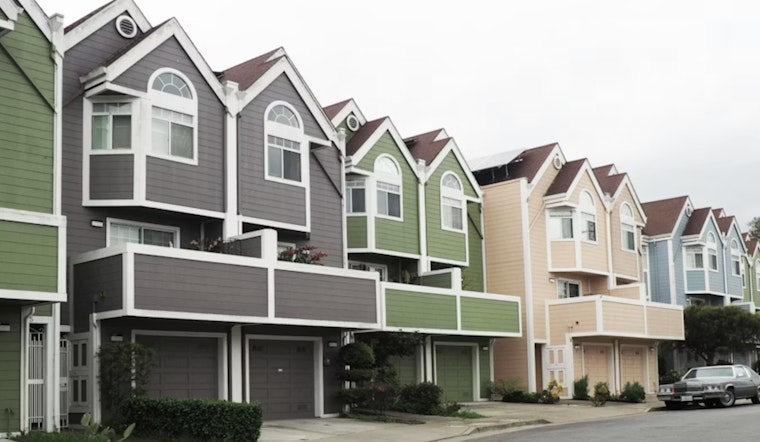
Local real estate observers cite a familiar mix driving growth: new subdivisions and master-planned communities, lakefront living around Lake Conroe, and home prices that remain lower than many inner-Houston neighborhoods. Migration and moving-index data indicate strong inbound flows to Montgomery County, a trend noted in recent growth indexes, as per The Conroe News. The expansion has generated interest among real estate agents and drawn attention from some longtime residents.
The increase in high-income households also has financial implications. SmartAsset’s property-tax analysis lists Conroe among communities with relatively high median property-tax burdens as a share of household income. This could add to affordability concerns for long-term residents, even as sales tax revenue and business receipts rise.
What It Could Mean For Residents And Businesses
For small businesses and developers, the growth in high-income households represents a larger customer base and increased demand for premium services, dining, and housing. Upscale retail and higher-end residential projects may now be more financially viable.
For current homeowners and renters, the impact is less straightforward. Increasing home values and property-tax obligations raise questions about whether long-term residents will face higher costs or benefit from enhanced services supported by a larger tax base.
City leaders and planners will need to navigate zoning, infrastructure, and affordability programs as Conroe's demographic mix shifts. How they respond will determine whether the current boom ends up as broadly shared prosperity or a tale of two Conroes.



