

























































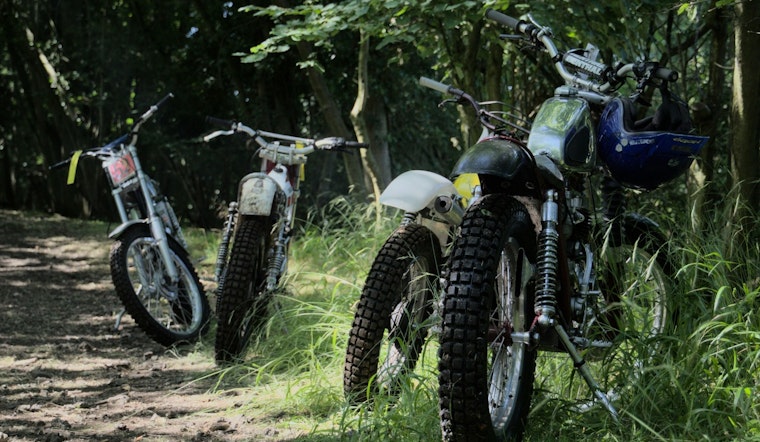
The evolving landscape of Florida's transportation laws has come to light once again with the Clearwater Police Department recently clarifying the legalities surrounding electric dirt bikes, or E-Motos, on their social media. The post, intended to serve as a guide for residents curious about the use of these increasingly popular vehicles, outlines the key statutory requirements and limitations for operating such bikes on public roads.
One of the focal points highlighted by the police department is the definition of a motor vehicle according to Florida Statute §316.003(21), which comprises any self-propelled vehicle not running on rails, including electric dirt bikes with motors over 750 watts. These are required to be registered with the DHSMV, yet "most E-Motos cannot be registered because they do not meet federal and state safety standards for street-legal motorcycles," the police department stated in their post. Meanwhile, E-Motos that manage to meet registration criteria obligate riders to have a valid motorcycle endorsement on their driver license.
The consequences for unregistered operation of these E-Motos are more than just a slap on the wrist. The Clearwater Police Department's post explicitly mentions that taking these bikes onto public roads without proper registration not only is unlawful but could lead to citations for "improper display of license plate" and "failure to register," according to Florida statutes 316.605 and 320.07.
Moreover, the Post delves into the intricacies involving non-registrable E-Motos—essentially those with motors below 750 watts—which are deemed "toy vehicles" under state law. Restricted to private property or areas where their use is permitted, Clearwater PD cautions that "operating on public streets or sidewalks violates 316.1995 (prohibiting motorized vehicles on sidewalks) and 316.2128 (restrictions on motorized scooters and similar devices)," leaving potential riders with a narrow path to travel legally on their electric two-wheelers.



