

























































The potential closure of Burke Lakefront Airport and its subsequent land redevelopment are on the docket for the Cleveland City Council's upcoming public hearings. According to the Cleveland City Council, a recent announcement by Councilman Charles Slife, who chairs the Transportation and Mobility Committee, the process will begin on January 21, 2026. The committee plans to provide a transparent analysis to determine the site's future, weighing legal, fiscal, and infrastructural considerations.
Councilman Slife underscored the importance of this decision for Cleveland, stating, through Cleveland City Council's official website, "The future of Burke Lakefront Airport is one of the most significant land-use decisions in our city’s history." This inquiry follows a City Council-approved settlement related to the Cleveland Browns' move, which included Haslam Sports Group's backing for the closure. Delving into expenses, budget implications, and regulatory requirements, the hearings are set to conclude with an examination of market viability for such a massive redevelopment project.
The initial hearing on January 21 will focus on development hurdles, such as state regulations on "fill" land and infrastructure challenges like sewage and electric capacity along the shoreline. Councilman Slife raised concerns about the strain a non-airport use could place on the city's General Fund, potentially affecting routine city services. A February 4 session is slated to delve into these budgetary issues.
Long-term considerations will be addressed in the proceeding meetings, with the committee scrutinizing the multi-year federal process required for airport closure on April 1. April 15 will wrap up the hearings with insights into whether the regional real estate market can, in fact, absorb 450 acres of new development without leeching value from other city areas. Slife emphasized the need for a pragmatic approach, saying, through Cleveland City Council's official website, "We cannot afford to close an airport for a redevelopment project that the market cannot sustain or the City cannot afford to maintain."
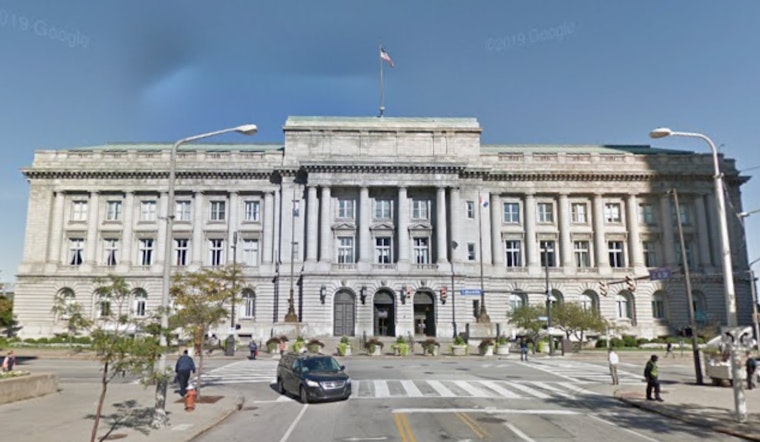
All sessions are to be held at Cleveland City Hall and will be open for public attendance. Each hearing aims at addressing critical facets of the proposal, ensuring a decision that aligns with Cleveland's long-term interests and financial health. The impact of such a significant land-use change on Cleveland's landscape and the city's overall well-being lies at the heart of the council's inquiry.



