

























































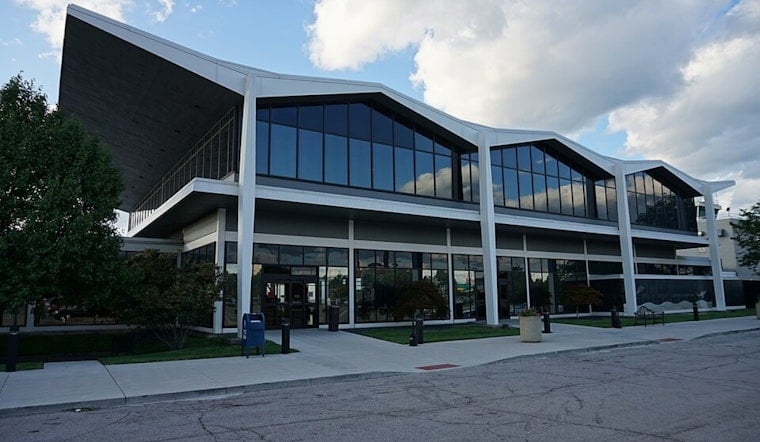
The future of Cleveland's Burke Lakefront Airport hangs in the balance as the city contemplates its closure and potential redevelopment. The 450-acre site, predominantly used by private and corporate jets, sits at the crux of a contentious debate featuring varying degrees of opposition and support. Mayor Justin Bibb has been promoting the airport's closure, aiming to shut it down by the end of 2029 to make way for a significant project to enhance public access to Cleveland's waterfront areas.
Much of the discourse centers on whether repurposing the airport area would indeed benefit the city's residents and coffers. Proponents argue that the site could provide major opportunities for economic growth and better utilization of waterfront property. During a recent Cleveland City Council Transportation and Mobility committee hearing, West Side Council Member Charles Slife emphasized the community's eagerness, stating, according to WYSO, "The mayor's preference to close the airport aligns with many in the community who see Burke as an opportunity to connect us with the waterfront."
However, members of the city council, including East Side Councilman Mike Polensek, have expressed the need for a plan that would clearly demonstrate benefits for the city's neighborhoods. He articulated his concerns about the potential closure's impact, warning against "bad decisions," while scrutinizing the absence of a detailed proposal for the site's future. "Show me a plan that benefits the neighborhoods in the City of Cleveland by Burke airport going away," Polensek articulated, as reported by WYSO.
Furthermore, there's a sobering lens applied to the Burke Lakefront Airport's prospective redevelopment that concerns environmental conditions and financial implications. According to cleveland.com, Scott Skinner, head of the North Coast Waterfront Development Corporation, informed the city council that Burke's land, built with dredged materials from the early 1900s, is cleaner than expected. Yet, significant environmental remediation could still be required depending on the nature of buildings planned for the site. Skinner clarified that the situational intricacies of each parcel have considerable bearing on redevelopment viability, stating, "The answer to all these questions is it depends on where it is and what it is."
Doubts linger not just on the cleanup and repurposing but also on the city's lease arrangements and the services necessary to support any new development. Burke is leased from the state of Ohio, and should it be redeveloped, rents could see a substantial increase. Additionally, essential services like electricity, water, and sewer provisions would need to be expanded or newly introduced, which could incur considerable expenditures to the city, as outlined by Cleveland's Director of Public Utilities Marty Keane during a council briefing.
Despite the potential setbacks and concerns, the conversation regarding Burke's future will continue through a series of public hearings scheduled until April 15. As relayed by Axios, Councilman Slife and other council members remain vigilant, seeking to ensure that any move towards redevelopment serves the interests of the city at large, with robust evidence of long-term benefit as a prerequisite. "What's the saying? 'Trust your mother, but cut the cards,'" Slife told Axios.





.jpg)