

























































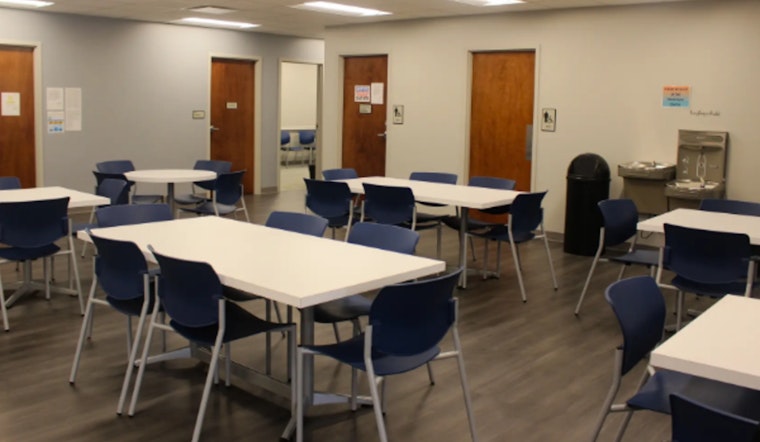
Cobb County has officially made a move to amplify its support for those grappling with addiction by launching a new facility that centralizes recovery-based programs. At a time where the need for comprehensive support structures cannot be understated, this investment signals a significant stride in the county's commitment to not only tackle addiction but to foster rehabilitation and sustained sobriety.
Set to open its doors with a ceremonial flourish next Monday, the Cobb Treatment Courts Facility will house an array of services designed to directly address the diverse needs of its clientele. In an effort to comprehensively cater to those in dire need of assistance, the new center will offer individual counseling, group therapy, and on-site drug and alcohol testing. According to Cobb County government's announcement, these resources will be invaluable to participants of the Veterans Court, Mental Health Court, DUI Court, Drug Treatment Court, and Family Treatment Court, all under the same roof.
Highlighting the impact of such focused programs, Olivia Fidell, a local resident and beneficiary of the Drug Treatment Court program, spoke to the transformative effect it had on her life. After an eight-year battle with addiction, which resulted in a heart attack and the loss of custody of her children, Fidell found a lifeline through the court's intervention. Fidell told Cobb County government's news outlets, "My life just got so out of place and dark...I had tried just about everything to get sober, and I knew I wanted to be, but I was still very stuck." Fidell's story is not just a personal victory; it's a testament to the potential impact of the new facility on individuals and the community at large.
The Chief State Court Judge, Eric Brewton, acknowledged the new facility's potential, stating, "This new space brings essential services together in one place, making it easier for participants to succeed." His words, obtained by Cobb County government's news announcement, reflect a broader understanding that recovery is not a solitary journey, and that success is often hinged on the immediate accessibility to supportive resources. Cobb's investment appears to have been rigorously thought out, aiming to reduce recidivism and support long-term success for those it serves.
Research bearing out the effectiveness of such programs was cited by the Council of Accountability Court Judges, which found that treatment courts not only reduce recidivism but also holistically address substance use and behavioral health issues. Olivia Fidell's journey parallels this research, as she celebrated three years of sobriety post-program, regained custody of her children, and earned her associate’s degree. Reflecting on the program's influence in her life, Fidell said, "This program gave me the steps to take toward sobriety. Having people who held me accountable and supported me made all the difference.”
With 1,507 participants having graduated from Cobb County’s treatment court programs, Monday's ribbon-cutting is not merely a formality, it's a beckoning for a future where support and recovery are not an afterthought, but a planned-for certainty for the residents like Fidell who dare to believe in a second chance.


