

























































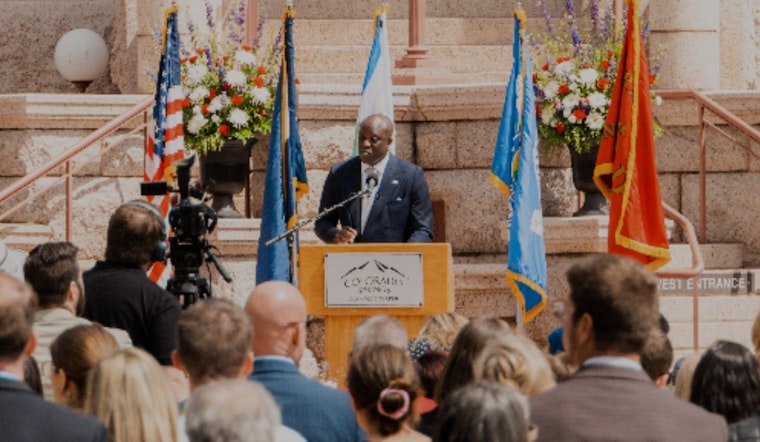
In a coordinated effort to address some of Colorado's most pressing issues, mayors of the state's three largest cities have once again come together to present their legislative priorities to Governor Jared Polis and members of the General Assembly. Mayor Yemi Mobolade of Colorado Springs, Mayor Mike Johnston of Denver, and Mayor Mike Coffman of Aurora delineated their concerns in a joint letter that delineates their stance on several key areas, including mental health treatment, artificial intelligence legislation, crime, and the protection of funding approved by voters.
The mayors' letter, originally released by the City of Colorado Springs, marks the third instance in which these city leaders have united to advocate for collaborative state action. One of the concerns raised is the current statute regarding competency, which, as the mayors argue, sometimes leads to justice-involved individuals being released without sufficient care, posing "ongoing public-safety risks." They cited a widely-reported incident involving a fatal stabbing by an individual previously found incompetent to highlight the urgency of reform.
The legislators were also asked to re-examine Colorado's approach to artificial intelligence governance. Citing SB24-205, the mayors emphasized the need for a balanced regulation that nurtures innovation while providing consumer protection. They stressed that without modification, the current law could potentially hinder economic growth and impose hefty implementation costs amid stringent budgetary times, a situation that could be detrimental to the state's progress and prosperity.
Increasing retail thefts have impacted local businesses significantly, and the mayors have called for a more robust legal framework to address this. They pointed to court decisions, such as People v. Camp and People v. Simons, that tend to limit local law enforcement's capacity to curb these crimes effectively. The mayors' proposal includes adjusting the felony shoplifting threshold to a "reasonable dollar amount," underscoring the necessity of protecting small and locally-owned businesses from persistent losses.



