

























































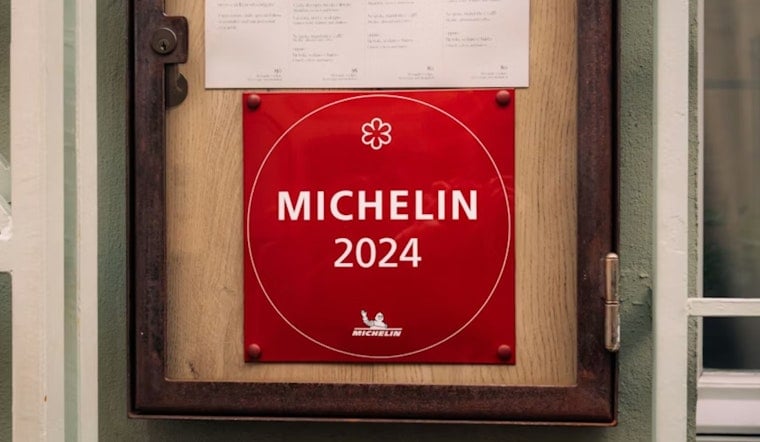
Three years after Michelin inspectors quietly started eating their way across Colorado, the state is staring at a tidy pile of wins and a prickly bill. Restaurants from Denver to the ski towns say stars and Bib Gourmand nods have boosted reservations, sales, and hiring, even as tourism agencies and elected officials debate whether to renew the arrangement. That decision is unfolding now as the initial three-year agreement between Michelin and participating regions, signed in 2023, approaches its end.
Big awards, fast growth
The MICHELIN selection has scaled up quickly. Colorado’s dining scene now includes the program’s first two-star restaurant, along with multiple one-star winners and a slate of Bib Gourmand picks. According to the Michelin Guide, the 2025 Colorado selection added the state’s first two-star honor and listed eight one-star restaurants, ten Bib Gourmand recognitions, and roughly 31 recommended nods.
Why renewal is on the table
The initial three-year arrangement that brought Michelin inspectors to Denver, Boulder, Aspen/Snowmass, Vail, and Beaver Creek runs through 2026, and local tourism officials say active talks are underway about whether to extend it. As reported by Westword, the choice is as much political and fiscal as it is cultural. The benefits for restaurants are clear, but the public cost and uneven geographic coverage have prompted pointed questions.
Restaurants say business improved
Individual operators point to measurable gains. A Colorado Restaurant Association survey, as reported by Westword, found that more than 72 percent of Michelin-listed restaurants reported an average sales increase of about 14 percent. Owners like MAKfam’s Kenneth Wan say the Bib Gourmand recognition translated into sustained daily lifts of roughly 25 to 30 percent. Restaurateurs also told Westword that Michelin's attention has helped with recruiting, with some reporting more applicants from outside the region.
The price tag on prestige
Bringing Michelin to Colorado did not come free. Reporting that traced back to national coverage shows state and local tourism boards covering the cost of inspectors, with participating boards contributing roughly $70,000 to $100,000 and the Colorado Tourism Office committing larger sums to the effort. As reported by Bon Appétit and explained in a Colorado Sun fact brief, that pay-to-participate model drew pushback from cities left out of the initial coverage and now sits at the center of the renewal debate.
Talent and national attention
Multiple local chefs were named semifinalists for the 2026 James Beard Awards, according to the James Beard Foundation. The 2026 semifinalist list includes Colorado names such as Johnny Curiel and Ryan Fletter, which supporters say is one sign that the Michelin spotlight has helped build careers and broaden national visibility for the state’s chefs and teams.
Public money and political scrutiny
That national cachet does not erase the political calculus for public agencies that helped underwrite the rollout. Some officials argue the Guide has become a useful marketing tool for culinary tourism and talent retention. Others question whether a handful of headline restaurants can really justify the expense for large regions and resort areas. Reporting by the Colorado Sun shows the price tag, and which places were included remains a flashpoint ahead of renewal talks.
Bottom line
For many restaurant owners, the answer already feels settled: Michelin recognition lifted business and made hiring easier. For the tourism boards and taxpayers who helped underwrite the rollout, the choice about whether to fund another term will come down to whether that lift is broad, sustained, and worth the public investment.





