

























































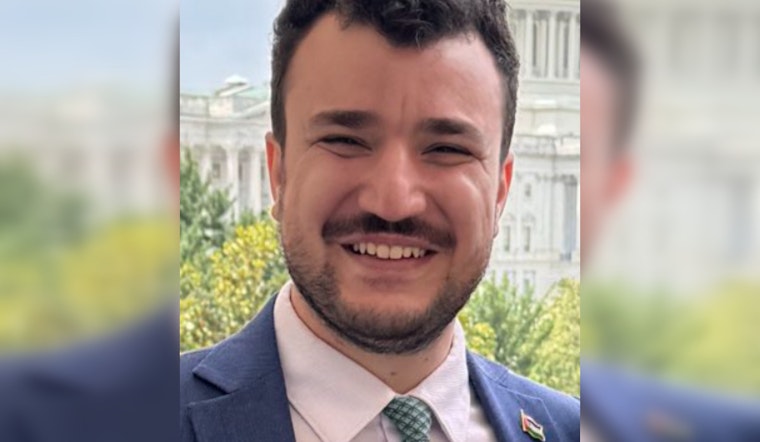
Mahmoud Khalil, a Columbia University graduate and former protest leader, may face deportation to Algeria following a recent legal development. Tricia McLaughlin, assistant secretary for public affairs at the Department of Homeland Security, told Newsnation that Khalil is expected to be sent to Algeria. Khalil’s case has received national attention as he challenges the decision to remove him from the United States amid increased scrutiny of campus activism.
Khalil, a lawful permanent U.S. resident, was arrested last year in connection with pro-Palestinian protests at Columbia University. Although he was born in Syria and holds Algerian citizenship, he has lived in the United States for many years. In an interview with The Times of Israel, McLaughlin emphasized that residency for non-citizens is temporary: "It is a privilege, not a right, to be in this country to live or to study."
After Secretary of State Marco Rubio cited potential "serious adverse foreign policy consequences" related to Khalil’s presence in the U.S., a federal judge ordered his release in June. That decision was later overturned when a federal appeals court ruled 2-1 to reverse the lower court’s ruling on jurisdictional grounds. Khalil’s legal team has challenged his detention and the possibility of deportation while the appeals process continues. In a statement reported by Gothamist, his lawyers noted concerns regarding the impact of the government’s actions on the rights of individuals participating in peaceful protest.
McLaughlin’s comments emphasized the temporary status of non-citizens, including lawful permanent residents. In an interview with Gothamist, she stated, "You are a guest in this country — act like it," illustrating a perspective sometimes cited in discussions of U.S. immigration policy.
The case of Mahmoud Khalil highlights the intersection of immigration policy and political activism. As the legal process continues, the outcome of his case remains pending, drawing attention to the challenges non-citizens may face when engaging in activism in the United States.



_01_(cropped)_(cropped).jpg)