

























































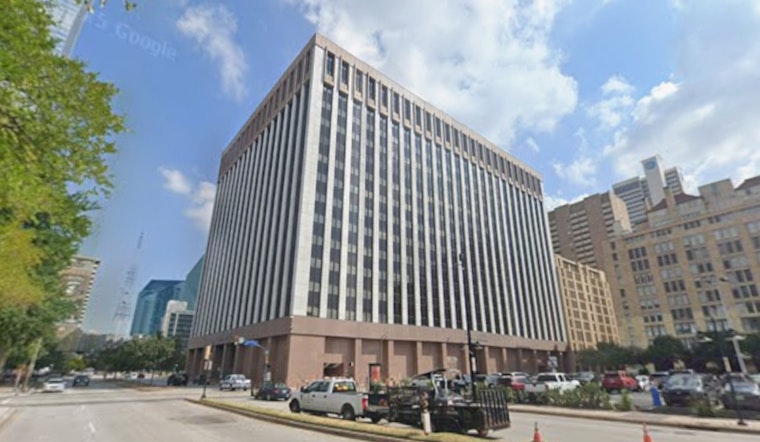
A federal corruption case out of Dallas has turned into a textbook example of what can happen when police moonlighting runs on trust instead of tight oversight. Prosecutors say a Dallas officer working nightclub security slipped sensitive information to a club owner who was under FBI investigation, then lied to federal agents and ended up with a prison sentence. That storyline now sits at the center of a broader national review that found loose rules, patchy enforcement and some gaping legal blind spots around off-duty police work.
The findings stem from a yearlong reporting collaboration tied to the "Under the Moonlight" project, a CBS News series produced with the Howard Center for Investigative Journalism at Arizona State University, which analyzed off-duty policies at more than 100 agencies, according to ASU News. Reporters and students dug through internal records, audits and court files to show how soft rules and weak tracking let higher-risk officers keep picking up private security shifts. The project also includes an interactive database that lets the public compare local policies and departmental practices side by side.
How the Dallas case unfolded
According to federal prosecutors, the Dallas scandal unfolded during "Operation Closing Time," an FBI probe into drug trafficking in nightclubs. The U.S. Department of Justice reports that former Dallas officer Eddie Villarreal, while working off duty, pulled over undercover FBI agents and later funneled information to nightclub owner Alfredo Hinojosa.
That conduct helped lead to Villarreal’s guilty plea and a 30 month prison sentence, according to the Justice Department. Prosecutors also said Hinojosa and several associates were convicted of running drug sales out of club bathrooms, and investigators found that Villarreal repeatedly broke the Dallas Police Department’s own rules on moonlighting.
What the investigation found nationwide
A data review by CBS News and the Howard Center found that many departments are barely applying basic guardrails to off-duty work. Fewer than one in four agencies routinely check officers’ disciplinary histories before approving side gigs, and only about 43 percent require body cameras when officers are working those jobs.
The project reported that Dallas allowed hundreds of officers with disciplinary "red flags" to keep moonlighting since 2010. It also documented how sloppy tracking systems made room for cash pay arrangements, double billing of hours and officers working so many shifts that fatigue became a real issue. Reporters concluded that the patchwork of rules from city to city leaves obvious openings for conflicts of interest and abuse, especially when officers are effectively working for private bosses while wearing a public badge.
What Dallas is doing now
City officials in Dallas have started trying to tighten the screws on off-duty jobs. As reported by Governing, the Dallas City Council approved a multiyear contract with a private vendor to centralize job postings, scheduling, invoicing and payments for off-duty work. Officials say the new system should make it much easier to track hours and enforce limits.
Police spokespeople told Governing that the revamped setup, paired with recent policy tweaks, is meant to reduce the chance that officers who are under investigation or suspension end up at the front of the line for lucrative private details. In theory, that means fewer situations where someone like Villarreal is quietly working a nightclub shift while federal agents are circling.
Legal implications
Criminal cases like Villarreal’s show one way misconduct can be punished, but the civil side of the ledger looks a lot murkier. A review by CBS News and the Howard Center identified more than 40 lawsuits in which off-duty officers argued they were protected by qualified immunity, and courts often agreed, which limited the ability of victims to pursue civil claims, according to CBS News.
That legal patchwork means any fix is likely to come from several directions at once: tighter local policies, state laws that restrict immunity in certain cases and stronger internal controls inside departments, not just high profile criminal charges. Legal scholars and oversight advocates quoted in the project caution that software alone will not solve the problem unless agencies also get serious about vetting who can moonlight, enforcing the rules they already have and following through with discipline when those rules are broken.
The Dallas case points to a two part solution. First, departments need reliable systems that show in real time which officer is working which private job. Second, they need tougher gatekeeping so that officers with troubling disciplinary histories are not first in line for well paid security gigs. City leaders and police officials argue that centralized scheduling tools can finally make real oversight feasible. Civil rights advocates counter that the more important change is cultural, a clear expectation that any officer wearing a badge in a private setting is held to the same standards as when they are on the public clock. For Dallas and other cities watching closely, the real measure will be whether those new policies and tools actually change outcomes before the next scandal hits the headlines.





