

























































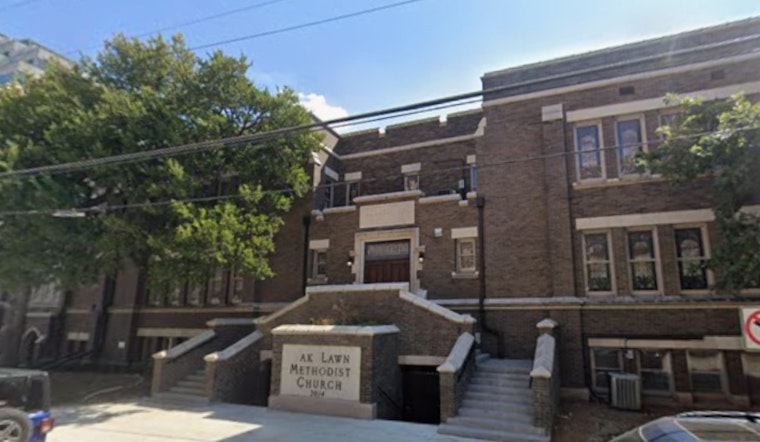
A conflict between expression and legislation has taken root at the doorstep of Oak Lawn United Methodist Church in Dallas. The Dallas Landmark Commission is due to decide on whether the rainbow steps of the historic church can remain, following a statewide directive aimed at removing such displays from public view. As WFAA reports, the Commission is responding to an order by Texas Gov. Greg Abbott that seeks to erase "political" or ideological symbols from thoroughfares under the guise of safety and distraction concerns.
Standing in defiance of the state's directive, the church at 3014 Oak Lawn Avenue painted its steps this past fall, after Gov. Abbott directed cities to clear away such colorful gestures. A symbol of LGBTQ support, the painted stairs are positioned on private property, less a political statement than a commitment to the values of faith, honor, and inclusivity. With the property's status as a Dallas landmark, set in 1984, the church finds itself under the eye of the Landmark Commission, making the steps subject to approval for any changes to the exterior appearance. It was mentioned by The Dallas Morning News that the church has called upon supporters to speak at the hearing held in Dallas City Hall at 1 p.m. on January 5th.
The Landmark Commission carries the weight of this decision on its shoulders. "Silence is not neutral," said Senior Pastor Rev. Rachel Griffin-Allison in a statement quoted by WFAA, underlining the church's purpose behind the rainbow-painted steps as a testament to their gospel—that all individuals deserve safety, dignity, and a place where they belong. Meanwhile, there's a split in recommendations from different arms of the commission revealed in the meeting agenda: staff suggested approving the painted steps as a temporary art piece, while a separate task force leans towards a denial based on city code provisions dealing with exterior color alterations in historic areas.
The church's steps have blossomed into a community landmark beyond its historical designation. As articulated by Rev. Griffin-Allison, quoted by The Dallas Morning News, they express "a visible witness to the gospel we preach, that every person is created in the image of God and worthy of safety, dignity, and belonging". In contrast, the state's directive calls for a more homogenized and possibly less expressive society, clearly outlined in a request for an exception from the City of Dallas in November to Gov. Abbott's mandate. This was mentioned in a letter by Dallas City Manager Kimberly Bizor Tolbert, noted by WFAA, which emphasized that the crosswalks have not shown to cause any public safety issues, and their removal would not be congruent with the recently passed city budget.





