

























































After years of tackling traffic trouble one intersection at a time, local elected officials in Yuba and Sutter counties are now trying to treat roadway safety as a single regional problem. Instead of a patchwork of fixes, they are folding dozens of local projects into one action plan aimed squarely at cutting traffic deaths and serious injuries. The idea is to sharpen the region’s focus on the corridors where crashes keep piling up and to make grant applications more competitive. Parts of the plan are already approved, with more agencies scheduled to vote in the coming weeks.
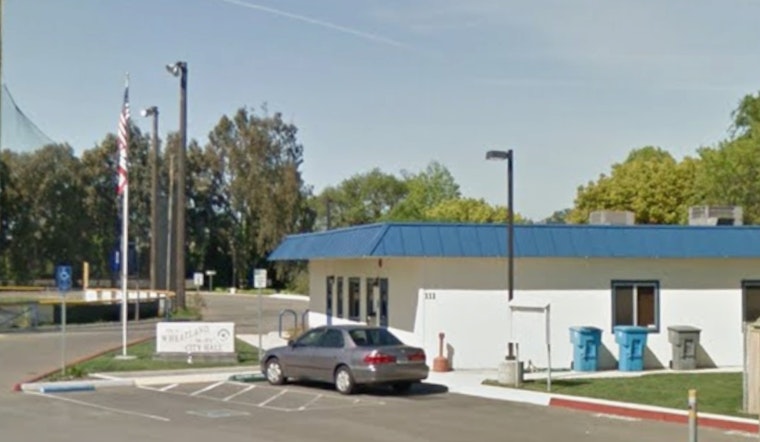
The shift started with a joint application for federal Safe Streets funding and a later planning award that bankrolled a multi-year crash review. In a staff report to Wheatland’s City Council, officials said Caltrans awarded $800,000 in February 2023 to create the Yuba‑Sutter Regional Safety Action Plan and that Fehr & Peers was chosen to lead the study, according to the Wheatland City Council staff report. The 2018–2023 analysis documented 5,362 injury crashes across the region and 886 that resulted in death or severe injury, and the draft plan calls for countermeasures such as signal upgrades, roundabouts, and new pedestrian and bicycle facilities, according to CBS Sacramento.
“Way too high,” said Daniel Peterson, the former Yuba County public works director, describing the crash totals and warning that collisions involving pedestrians and bicyclists make the percentage of people killed or seriously injured climb dramatically. Peterson also pointed to sudden speed transitions on corridors like Highways 20, 99 and 70, where a 65 mph rural highway can quickly become a 25 mph urban street, as a recurring design problem, CBS Sacramento reports.
How agencies plan to use the blueprint
The new plan is designed to let cities and the two counties bundle smaller safety projects into larger, more attractive funding applications. Yuba County’s board adopted a resolution approving the RSAP, and the project list identifies Yuba County, Sutter County, Yuba City, Marysville, Wheatland, and Live Oak as participants, according to Supervisor Bradford’s weekly update. Local public works departments say they plan to lean on the plan’s crash data to prioritize corridors and write stronger, data-backed grant proposals.
Next steps and the long road to funding
Agencies plan to return to the remaining city councils for RSAP approval votes in the coming weeks. Once those are in hand, the next phase is to package engineering, safety, and active-transportation projects and go hunting for implementation dollars. That playbook mirrors other Safe Streets and Roads for All planning efforts that then compete for implementation grants, and observers say bundled, multi-jurisdiction applications often fare better in federal and state competitions. Streetsblog SF noted Yuba‑Sutter among the jurisdictions that scored initial SS4A planning awards.
Officials caution that the RSAP is a starting point, not a quick fix. Engineering work, environmental clearance, and construction timelines can stretch over years, and many of the listed projects will only move if the region wins implementation funding. Even so, local leaders say they finally have a single regional playbook that should help move signal upgrades, roundabouts, and new pedestrian and bike connections from concept to construction.





