

























































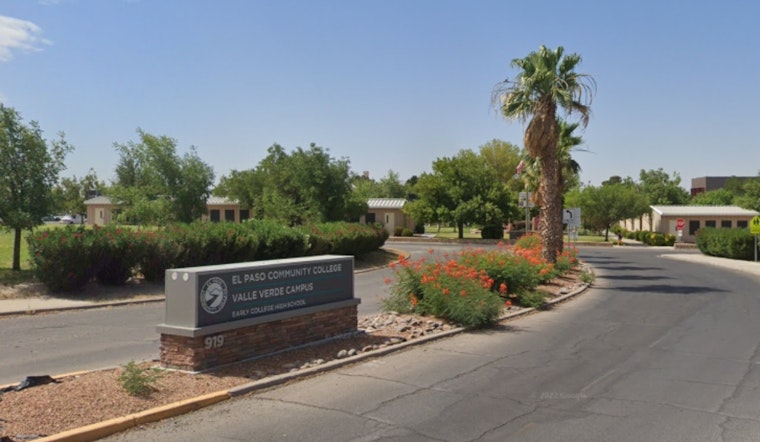
El Paso Community College (EPCC) is making its presence felt on the national stage, with adjunct biology professor Diana Olivas gearing up to deliver a Spotlight Talk at the American Society for Biochemistry and Molecular Biology (ASBMB) Annual Meeting this March, as reported by EPCC News. Olivas, who is also a Ph.D. candidate at The University of Texas at El Paso, will step into a predominantly four-year institute speaker lineup to shed light on inclusive science education approaches and the profound impact community colleges like EPCC can have on national discourse in her talk entitled "Building Bilingual Scientific Literacy: A Culturally Responsive Outreach Model at a Hispanic-Serving Community College on the U.S.–Mexico Border."
Not to be overlooked, EPCC stands as the sole community college represented in such a forward capacity amongst the likes of Arizona State University and Harvard, the selected spotlight is significant recognition for the typically two-year institution, "I feel incredibly honored and excited," Olivas told EPCC News, diving into the importance of extending educational reach beyond conventional classrooms and into the heart of communities, especially so in times where education and science find themselves thrust into the glaring light of socio-political stages.
Her journey isn't one detached from the community she champions; Olivas's roots with EPCC trace back to her youth spent in ESL classes alongside her mother, evolving through her time in the college's Mathematics Department, and flowering into a role that sees her juggling the responsibilities of education and the mission of her nonprofit Celfest by Celfie designed to bring hands-on science to students and families without financial barriers. It’s her understanding that science education is not a one-size-fits-all endeavor. “By opening access to science at all educational levels, we improve our society. Science isn't limited to a lab coat; it can be a child collecting bugs, a student joining a robotics team, or a community member engaging with science for the first time. All of it matters,” she further explained to EPCC News.





