

























































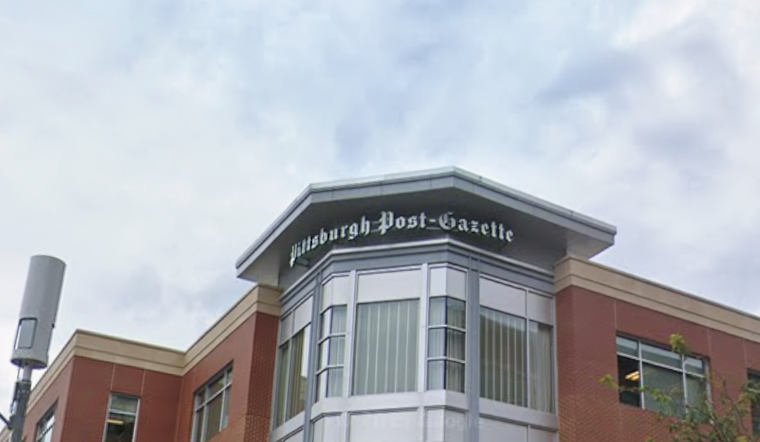
The curtains are drawing to a close on the Pittsburgh Post-Gazette, with a final edition set to roll off the presses on May 3. Block Communications Inc., the newspaper's parent company, disclosed the impending shutdown yesterday, ending nearly two centuries of publication history in Pittsburgh. The steep financial losses faced by Block Communications were a critical factor in this decision, with the company revealing it had "lost more than $350 million in cash operating the Post-Gazette" over the past two decades, according to an announcement obtained by WPXI.
Amid a landscape of challenges for local journalism, the company also cited recent court rulings mandating the operation under a labor contract from 2014—an agreement Block Communications considers "outdated and inflexible." The firm expressed its regret over the impact of the closure, stating, "We deeply regret the impact this decision will have on Pittsburgh and the surrounding region," according to the WPXI release. The news follows shortly behind the closure of Pittsburgh City Paper, another Block Communications property, which ceased operations earlier in the year after 34 years.
Andrew Conte, managing director of the Center for Media Innovation at Point Park University, reflected on the broader implications of the Post-Gazette's closure in an interview with WPXI. He stated, "This is something people have been talking about for a long time, but when it actually happens, it's very different. I think the Post-Gazette closing feels like a seismic moment, not just for local news, but the entire region." Conte, formerly a local newspaper reporter, emphasized the social and community ramifications of losing such an institution, which include diminishing access to information important for knitting communities together.
The shutdown follows a protracted conflict between Post-Gazette journalists and Block Communications, including a three-year strike. As Andrew Conte relayed to the local news outlet, "The real challenge is the work that journalists do that is accurate, objective, relevant to lots of people, that trained people are going out and asking these questions and finding out what's going on and telling people, and that's what's being lost here is that we have fewer people doing that work," he said in an interview reported by WTAE. The Newspaper Guild of Pittsburgh didn't mince words in their response to the announcement, saying, "Instead of simply following the law, the owners chose to punish local journalists and the city of Pittsburgh," as stated in their released statement.





