

























































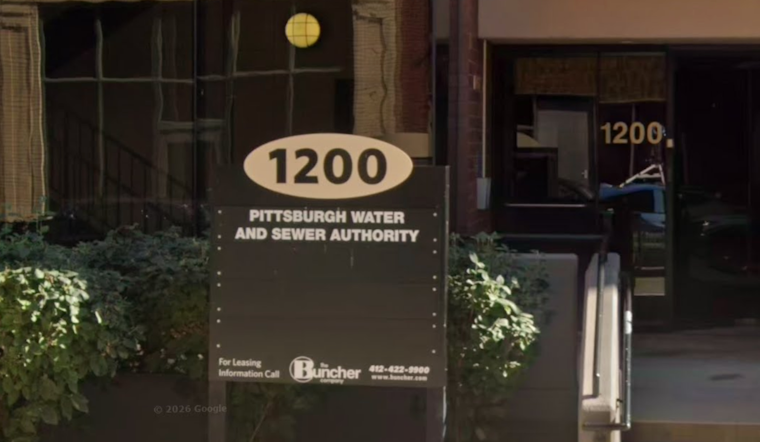
Pittsburgh Water is pouring nearly $54 million into aging sewer lines in nine city neighborhoods, using a long-term rehabilitation plan designed to keep small failures from becoming bigger, messier, more expensive ones. The work will stretch across projects scheduled from 2026 through 2028 and is intended to extend the life of critical wastewater infrastructure while reducing the risk of backups, flooding and untreated discharges. The utility highlighted the investment Friday as Pittsburgh continues its costly campaign to catch up with old pipes buried beneath the city.
The financing behind the push is a $53,895,600 low-interest loan from Pennsylvania’s Infrastructure Investment Authority, better known as PENNVEST. Pittsburgh Water highlighted the investment in a Friday post shared by the City of Pittsburgh, while a state representative’s office said the loan will support phased sewer work in Hazelwood, Bon Air, Stanton Heights, Overbrook, Chateau, Larimer, Swisshelm Park, Carrick and Allegheny West.
Pittsburgh Water is investing nearly $54 million to rehabilitate aging sewer lines. The work will extend the life of critical infrastructure and help ensure reliable wastewater service for years to come. Read more in today's press release: https://t.co/msrPPqDd0b pic.twitter.com/XUbiz0mOiv
— Pittsburgh Water (@pgh2o) July 31, 2026
The sewer work will roll through nine Pittsburgh neighborhoods
Phase one is slated to assess and rehabilitate about 5.5 miles of sewer in Hazelwood. Phase two includes roughly 5.2 miles in Bon Air, 7.3 miles in Stanton Heights and 5.7 miles in Overbrook, along with 933 feet of large-diameter main in Chateau. Phase three covers about 6.7 miles in Larimer, 4.7 miles in Swisshelm Park and 7.2 miles in Carrick, plus 709 feet of large-diameter main in Allegheny West, according to the Pennsylvania DEP and PENNVEST project list. The listed small-diameter work adds up to more than 42 miles, in addition to the larger sewer mains.
Trenchless work aims to spare streets and basements
Much of the program is expected to use trenchless rehabilitation, including cured-in-place pipe lining, point repairs, manhole work and before-and-after camera inspections. Pittsburgh Water says its sewer rehabilitation program is designed to reduce groundwater infiltration and inflow, which can consume treatment capacity during heavy rain, while helping prevent basement backups, sinkholes, street flooding and unwanted flows into rivers and streams. In a June project announcement, Pittsburgh Water said sewer lining can extend pipe life with less excavation, noise, traffic disruption and neighborhood upheaval than full replacement.
The loan is also designed to limit customer costs
State Rep. Aerion Andrew Abney’s office said the PENNVEST financing carries a grant-equivalent benefit of $16.2 million over the life of the loan and estimated that sewer fees would otherwise need to rise 70% to cover the project. That is a legislative-office estimate, not a new rate order, but it underscores why utilities increasingly rely on low-interest infrastructure financing for work customers still need underground. The office said the rehabilitated lines are expected to gain a 50-year design life.
Pittsburgh Water’s broader 2026-2030 capital program includes about $115 million for small-diameter sewer rehabilitation and roughly $1.2 billion in total infrastructure upgrades. The utility’s current rate materials show a separate PENNVEST wastewater charge on the typical residential bill, which rose from $100.27 to $115.29 per month in 2026 for a customer using 3,000 gallons, though actual bills vary. That context makes the sewer push both a buried-pipe story and a reminder that Pittsburgh’s infrastructure catch-up is showing up above ground, too, according to Pittsburgh Water’s capital-plan materials.



