

























































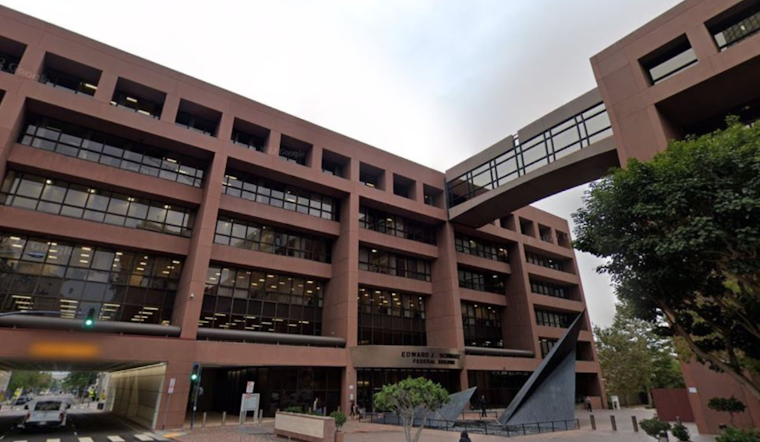
Former defense contractor executive Philip Flores was sentenced to four years in prison for his role in a bribery scheme that corrupted the fairness of the military's procurement process, as reported by the U.S. Attorney's Office. Flores, who was the owner, president, and chief executive of Intellipeak Solutions Inc., was also ordered to pay more than $80,000 in restitution to the scheme's victims.
According to his plea agreement, Flores engaged in illicit activities, including treating former Naval Information Warfare Center employee James Soriano to expensive meals and top-tier sporting event tickets. In exchange, Soriano skewed the no-bid contract-awarding process by rating Intellipeak favorably, falsifying technical evaluations, and approving invoices for work that was mostly subcontracted in violation of the rules. U.S. District Judge Todd W. Robinson remarked upon sentencing that Flores' fraud "was pervasive" and "it is hard to understate in terms of this area of business practice any offense conduct which would be of a more serious nature."
This was not an isolated incident of fraudulent activity for Flores. Years prior, he had already partaken in similar deception to secure contracts for his company through the Small Business Administration’s 8(a) program. These actions led to a prior indictment for conspiracy and major fraud against the United States in the Northern District of Georgia, resulting in a four-month prison sentence. However, he remained on bond pending resolution of the appeal.
The total damage from the bribery scheme exceeded $16 million, of which Intellipeak was paid to perform on approximately 26 government contracts. U.S. Attorney Adam Gordon emphasized the gravity of such corruption, stating, "The integrity of the procurement process is not for sale.” With Flores' sentencing, various federal agencies reiterated their commitment to maintaining integrity in government contracting and highlighted the deterrent effect on others who might otherwise embrace illicit gain over public service.
Agencies involved, such as SBA Inspector General William Kirk, emphasized the critical need for the 8(a) program to serve its purpose - to aid eligible small businesses, not as “a vehicle for DEI, bribery, or political agendas.” The proactive stance includes continued audits and investigations to ensure that taxpayer funds and the integrity of federal programs are protected.



