

























































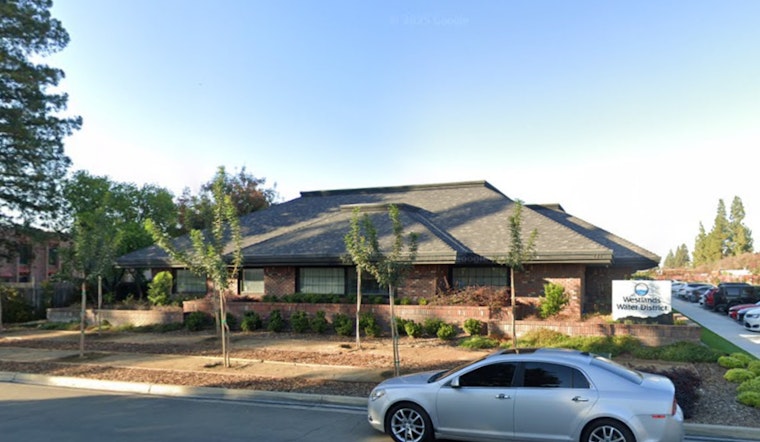
A winter vote by the Westlands Water District has set off what could become one of the world’s biggest solar builds, transforming tens of thousands of long-fallowed Central Valley acres into a checkerboard of panels and big battery facilities. District leaders are pitching the sweeping proposal as a lifeline for farmers squeezed by chronic water shortages and groundwater limits, while critics warn the sheer scale could reshape landscapes and strain nearby, often disadvantaged, communities.
The Valley Clean Infrastructure Plan approved by the board would span roughly 136,000 acres, with utility-scale solar arrays, energy storage and new high-voltage transmission lines to move that power across California. The footprint is about four times the size of the city of San Francisco, as reported by SFGATE.
Developer Golden State Clean Energy says the master plan could add roughly 20 gigawatts of solar and an equal amount of battery storage, capacity the company estimates could cover about one-sixth of California's electricity needs in 2035. The company also projects roughly 3,000 construction jobs spread over a decade and about 500 permanent positions, according to Golden State Clean Energy.
Why Farmers Are Signing On
District officials and several growers say turning unplanted fields into leased solar sites offers something agriculture has not had much of lately: stability. With both surface water deliveries and groundwater pumping under pressure, a steady lease payment can look a lot more reliable than another uncertain season.
Westlands General Manager Allison Febbo has described the program as a “survival plan” and noted that the district typically has around 200,000 acres sitting fallow each year. Local farmer Jeff Fortune told reporters the plan effectively lets farmers get paid for “growing” electricity and helps them stay in business, as reported by SFGATE.
Community Concerns and Conflicts
Not everyone in the region is sold on carpeting the west side of the valley with solar hardware. Environmental justice advocates and some residents say the massive buildout could disrupt habitat, worsen traffic during construction and bring visual impacts such as panel glare, especially for communities already dealing with pollution and limited services. They want clear, enforceable community benefits written in before projects move forward.
Politico reported that several Westlands board members abstained from the vote because they had preliminary agreements to lease or sell land for the plan. That detail has fueled conflict-of-interest questions and added another layer of scrutiny to a district that already plays an outsized role in California water and land politics.
Next Steps and Legal Questions
Westlands adopted the district's final environmental review in mid-December, a procedural step that opened a 30-day window for legal challenges. The district's assistant general manager told reporters the plan could reach roughly 20 to 21 gigawatts of capacity by 2040 if everything stays on track. Major permits, transmission deals and interconnection approvals are still ahead, as reported by GV Wire.
Statewide Stakes and the Economics
Supporters point to an independent analysis highlighted by project backers that estimates the buildout could save Californians billions in energy costs and cut emissions, an argument that tends to catch the attention of policymakers worried about reliability and a fast-growing electric load. Golden State Clean Energy has posted a study summary by 1898 & Co., which the developer says estimates up to $9 billion in savings over several decades and significant emissions reductions by mid-century, according to Golden State Clean Energy.
What happens next will hinge on potential lawsuits, local negotiations over community benefits and the state’s ability to move such a large volume of new renewable power across its grid. For valley towns that have lived through years of water cutbacks and idle fields, the plan is both a shot at new revenue and a high-stakes test of who actually profits when industrial-scale energy moves onto former farmland.





