

























































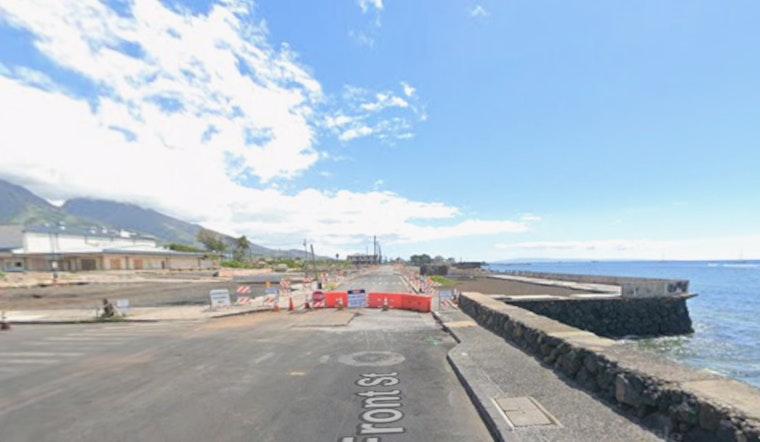
Along Lahaina’s battered Front Street, a high-stakes question is hanging over some of the most iconic oceanfront parcels in town: take a county buyout and walk away, or dig in and try to rebuild right on the water. Fewer than 20 shoreline owners have been contacted so far, and many families whose land has been in trust for generations are weighing memories and livelihoods against steep permitting hurdles and rising climate risks. However they decide, the choices made on these makai lots could reshape how the waterfront looks and functions for decades.
Federal dollars on the table
Maui County is in charge of roughly $1.6 billion in federal disaster recovery funding that officials say can support housing, infrastructure and mitigation projects, according to Maui County. About $213.8 million is set aside for hazard mitigation in the county’s action plan and could be used to buy and convert at risk shoreline parcels into open space, Civil Beat has reported. Any move to spend that money on voluntary buyouts would still need the U.S. Department of Housing and Urban Development to sign off before actual offers go out.
Owners weigh family history against risk
For many owners, this is not just about spreadsheets and appraisals. Tristan Jones, whose family has held a small makai parcel since 1965 and leased it to Cheeseburger in Paradise before the 2023 wildfire, told local reporters that selling “is an option … if we sort of see the writing on the wall,” even as some relatives and neighboring families talk about rebuilding the buildings that have lined Front Street for generations. The Lahaina Yacht Club and the Harry & Jeannette Weinberg Foundation have also been approached, and reactions so far range from cautious interest to a firm desire to rebuild, according to reporting by Maui Now.
County says program would be voluntary
County recovery staff emphasize that any shoreline buyback program would be strictly voluntary and would come with long-term limits on how those parcels could be used in the future, conditions that HUD requires grantees to spell out in detail. Recovery meetings and public presentations describe a to do list that includes drafting restrictive-use covenants, nailing down permit pathways and coordinating outreach before any homeowner sees a formal offer, according to Maui Recovers.
Regulatory and environmental hurdles
Makai of Front Street, owners still have to navigate the county’s Special Management Area and shoreline rules, a process that can take far longer than the streamlined path many mauka properties have been granted, leaving oceanfront parcels stuck in regulatory limbo. Local reporting and the county’s action plan note that Front Street carries key sewer, water and utility lines, and that shoring up the coastline and tackling erosion could run into the millions, factors that weigh heavily on whether owners decide to rebuild or sell, as described by Hawaii News Now.
Next steps and timing
County officials say they are still negotiating with HUD over exactly how the federal dollars can be used and expect the agency to take roughly 45 days to review action plan submissions. If HUD signs off on schedule, intake for some programs could begin by summer. Leadership shake ups in county planning and a push to speed up permitting have added urgency as owners wait for concrete buyout terms and clearer rebuilding rules, according to Maui Now and county recovery materials. For now, shoreline owners say they need clearer timelines, firmer cost estimates and a better sense of how potential public-space conversions would affect local access before making choices they cannot take back.





