

























































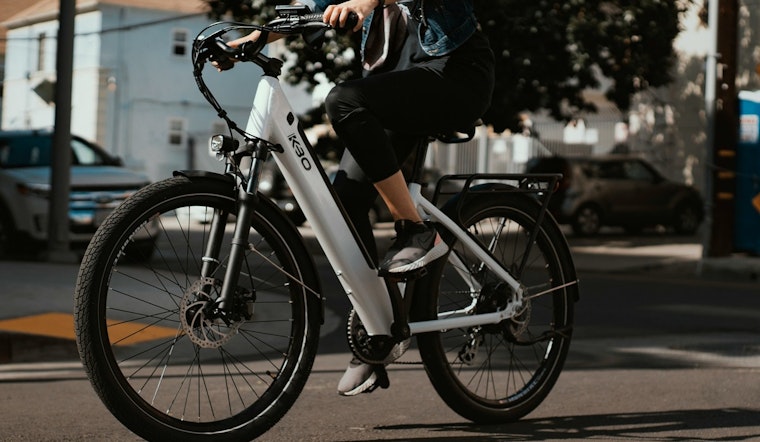
After a frightening weekend encounter in Belmont Shore, a group of Long Beach parents is demanding a tougher response to what they say has been growing unchecked for months: middle-school riders on high-powered electric bikes tearing through neighborhood streets, often without helmets, and in at least one case shooting gel pellets at younger children. The incident has neighbors, teachers, and PTAs asking whether schools and the city actually have the tools to keep kids safe. City teams and school staff say education is underway, but parents are calling for clearer rules and faster enforcement.
On Sunday, Kimberley Pierce-Lynne says her nine-year-old was chased and struck by gel pellets fired by about 10 middle-schoolers on e-bikes, leaving welts on the children's backs and faces, she told the Long Beach Post. Parents described riders on dirt bikes and e-motos without helmets “speeding around the neighborhood” and said their 911 call produced a police response they found insufficient. A Change.org petition started by a local parent has now topped 1,000 signatures, according to Change.org, urging officials to require driver's licenses for all motorized bikes.
City staff confirm they have seen a spike in complaints about young riders and illegal high-power vehicles, and an interdepartmental team is scheduled to return to the City Council with a comprehensive plan before the end of May, according to a memo from the city manager posted by the City of Long Beach. The memo lays out the legal distinctions between Class 1–3 e-bikes and other high-powered device,s such as e-motos and mopeds, and calls for pairing enforcement with education and clearer municipal code language. Officials say the changes will focus on making it easier to identify illegal vehicles and to route outreach where it is needed most.
State guidance differentiates Class 1 and 2 e-bikes, which assist up to 20 mph, from Class 3 models that can assist up to 28 mph and carry additional helmet and age rules, according to a summary from Marin County. Devices with motors over 750 watts or that are modifiable to exceed the speed limits are often treated as mopeds or motor-driven cycles and can require registration and a license. Parents and teachers say the market's wide variety of marketed bikes makes that line hard to police at the neighborhood level.
Schools And District Response
Long Beach Unified told reporters that staff at Rogers Middle had flagged several e-bikes and e-motos as illegal and sent students home with parent notices, though the district declined to make Rogers' principal available for further comment, the Long Beach Post reports. Teachers say the school has limited authority when incidents occur off campus, and city, police and health department volunteers have been visiting campuses to hand out reflective gear and run safety trainings. PTAs have requested extra Walk and Roll programming at middle schools to teach helmet fitting and safe-riding techniques.
What Officials Are Proposing
City staff are weighing a proposed "E-BIKES" public-safety initiative that could add local rules on speed limits, helmet use, equipment standards and age restrictions, and the interdepartmental team is also exploring ways to make enforcement practical without overtaxing police resources, the memo from the City of Long Beach says. Staff plan community outreach around Bike Month and are considering measures such as warning tags on illegal vehicles, on-campus permitting options and a public identification program for high-power models. Officials stress that education and clearer code language should come before broad enforcement sweeps.
Legal Implications
If a vehicle does not meet the e-bike definition, for example because it is capable of speeds above class limits or exceeds 750 watts, state law treats it differently and can subject it to registration, licensing and other penalties. Recent state bills also give officers authority to remove non-compliant vehicles or Class 3 e-bikes operated by people under 16, and allow agencies to require safety training before returning seized vehicles, according to bill text published by LegiScan. That legal framework is one reason city staff are urging careful code changes that make enforcement feasible.
For now, parents like those in Belmont Shore are pushing for faster action, from clearer local ordinances to age limits and licensing, while schools and city staff lay out plans for stepped-up safety outreach. The next public milestone is the city's return to council with recommendations, now scheduled for spring, and in the meantime, local PTAs and neighborhood groups say they will keep pressing for both enforcement and education.




