

























































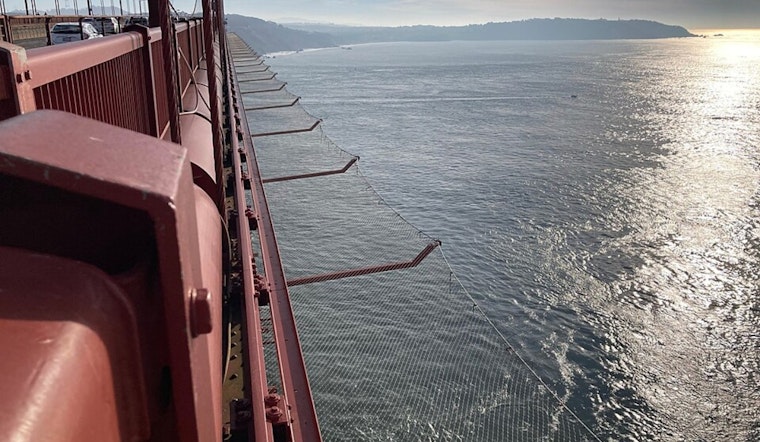
The suicide deterrent nets slung beneath the Golden Gate Bridge look like they did exactly what they were built to do: stop people from dying at one of the world's most infamous suicide spots. After decades with roughly 30 confirmed suicides a year, the bridge saw no confirmed suicides in the second half of 2025, a stark shift that has advocates and officials cautiously hopeful that a mix of engineering and crisis response can save lives.
Numbers back up the claim
The New York Times, in a post shared on its verified Facebook account, reported that there were no confirmed suicides from the bridge in the last six months of 2025. That follows years when the span typically recorded roughly three dozen deaths annually.
Local coverage and the bridge district's own numbers track the same downward trend. KTVU reports 12 deaths across 2024 and the first five months of 2025: eight in 2024 and four in early 2025, with zero in the final half of the year after the nets were in place.
How the nets work
The deterrent system is a miles-long web of marine-grade stainless-steel rope nets, stretched about 20 feet below the walkways and extending roughly 20 feet out over the water. The idea is simple but brutal: make it hard to jump, make survival more likely if someone does, and give rescuers a fighting chance to reach people alive.
The Golden Gate Bridge, Highway and Transportation District says the net is "working as intended" and reports that 2024 saw just eight confirmed suicides, a drop of about 73 percent from the recent 20-year annual average of about 30. The agency's description of the system and its rollout is detailed by the Bridge District, which also warns that the netting itself can cause serious injury. General Manager Denis Mulligan put it bluntly to EMS1: "It's stainless-steel wire rope netting, so it's like jumping into a cheese grater."
Evidence from other sites
The Golden Gate numbers align with what researchers have observed at other notorious jump spots. Decades of studies on "means restriction" at bridges and cliffs have found that barriers and nets sharply cut deaths where they are installed, often by 60 to 80 percent. National surveys of secured jump sites and larger review papers consistently conclude that physical barriers are an effective component of suicide prevention strategies.
PLOS ONE and related systematic reviews summarize these findings, highlighting that when access to a lethal method is blocked, many would-be deaths simply do not occur.
What still matters
Advocates and officials are quick to say the nets are only one piece of the response. The bridge district and local first responders continue to train for net rescues, on-bridge interventions, and care for people after an attempt, while researchers watch for any shift in suicidal behavior to other locations and for long-term outcomes.
The project itself cost about $224 million and was slowed by contractor disputes and construction delays, all while crews carried out the intricate installation over open water. Those bumps along the way were chronicled by the San Francisco Chronicle. Now, as maintenance, monitoring, and robust mental health follow-up remain front and center, early data from the bridge suggest the investment is paying off in lives not lost.
If you or someone you know is struggling
Barriers can interrupt a crisis at a crucial moment, but they do not replace treatment, support, and counseling. If you or someone you know is in immediate danger, call or text 988 to reach the 988 Suicide & Crisis Lifeline. For more information about the service and additional resources, visit SAMHSA.



