

























































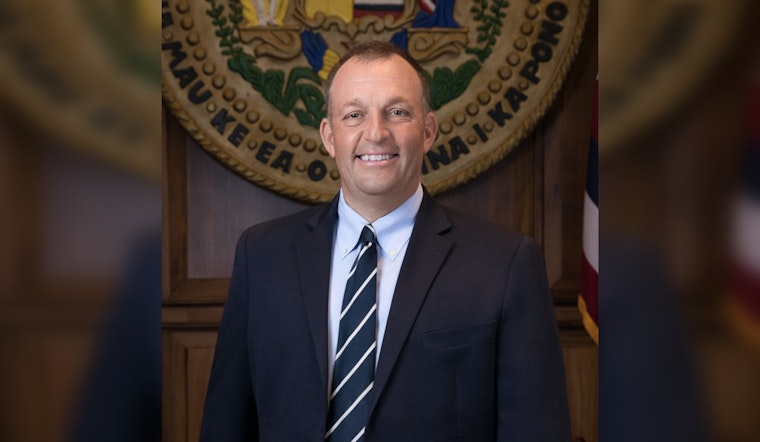
On Tuesday, Gov. Josh Green stood before several hundred people in the Hawaiʻi State Capitol rotunda and called on lawmakers to move fast on new protections for immigrants, responding to violent confrontations between federal agents and protesters on the mainland. Citing recent killings, he urged legislators to build legal guardrails to keep schools, hospitals and courthouses off-limits to aggressive federal enforcement, setting the stage for what could be a swift and contentious opening to the 2026 session.
According to Civil Beat, Green told reporters after the rally that he would "love to have bills come to me as fast as can be." Organizers framed the event as both a protest of federal immigration operations and a memorial for two people killed during demonstrations in Minneapolis. Civil Beat reported that House leaders were caught off guard by the governor’s call for speed. Rep. Lauren Cheape Matsumoto said she would only support an accelerated timeline if the public still had a real chance to weigh in, while other advocates at the rally pressed for firm limits on immigration enforcement inside designated "safe places."
Bills lawmakers filed this session
Lawmakers have already put forward measures aimed at curbing federal immigration activity in Hawaiʻi. Senate filings include Senate Bill 2057, which would block state-funded personnel and resources from aiding federal operations that go beyond statutory authority or target activities protected by the First Amendment. Another proposal, Senate Bill 2059, would prohibit law enforcement agencies from entering delegation agreements that hand immigration-enforcement powers to local officers. Sponsors say those bills, along with a companion proposal that would limit access to schools, medical facilities and courthouses, are designed to protect residents and safeguard due process.
How fast-tracking would work
Speeding bills through the Capitol is possible, but it is not routine. Fast-tracking typically means fewer committee hearings and compressed debate so a bill can clear one chamber and reach the governor on a tight schedule. Hawaiʻi has used expedited procedures before, including in 2023, when lawmakers quickly advanced protections related to reproductive care. Even then, observers noted that rushing legislation can shrink opportunities for public testimony and almost guarantees political pushback from those who feel sidelined by the process.
Why organizers and officials say now is urgent
Supporters link the new push directly to national flashpoints. Video and news coverage of two separate shootings during anti-ICE demonstrations in Minneapolis helped spark the Honolulu rally and framed the tone of the governor’s remarks, according to national reporting. CBS News has documented the protests and the fatalities that have intensified the fight over federal enforcement tactics. Local advocates also point to a pattern of ICE activity and high-profile detentions in Hawaiʻi in recent years as justification for quick action. Hawaiʻi Public Radio reported that lawmakers and community groups sounded alarms after a series of enforcement actions that many argued exposed gaps in the state’s rules.
What happens next
Sponsors say they will press committees to schedule hearings and move the measures quickly, but a true fast track would require buy-in from legislative leaders and leave only a narrow window for amendments and public comment. If hearings are set, both supporters and opponents are expected to flood the Capitol with written and in-person testimony. Lawmakers at a Civil Beat forum signaled they are still trying to balance the sense of urgency against the need for a thorough, public process.
Legal implications
Sanctuary-style limits on cooperation with federal immigration authorities have already sparked federal resistance and lawsuits in other states and cities. Courts have recently blocked some White House efforts to withhold funding from jurisdictions that restrict cooperation with federal agents, and those rulings suggest any new Hawaiʻi law could quickly be tested. Reuters and other outlets have followed how similar disputes often land in federal court soon after local laws are passed.
For now, Green’s public push has yanked immigrant-protection bills to center stage in Honolulu and set up a clear test for legislators: race ahead with policy changes or opt for a slower, more deliberative path. Committee chairs will decide whether the session opens with a sprint or a cautious jog, with immigrants’ rights squarely in the spotlight either way.





_1cropped).jpg)