

























































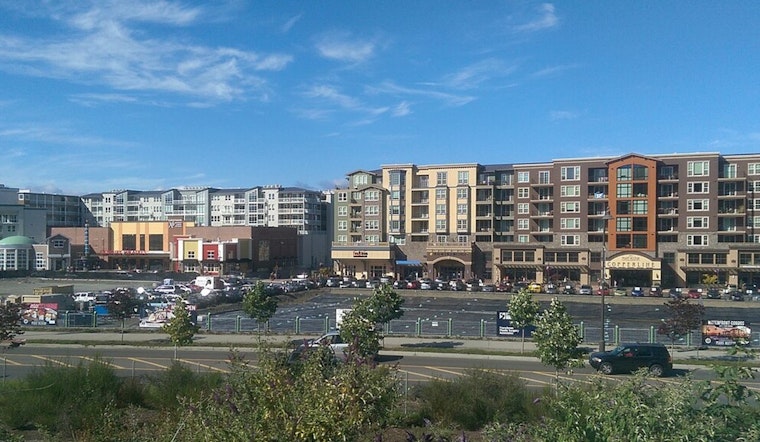
A California investment firm says it is ready to pour more than $500 million into finally finishing Point Ruston, pitching a scaled-back buildout that would add about 125 condominiums, a private club, a grocery, and a new waterfront park. The plan was rolled out at a Ruston City Council meeting on Jan. 20 as an introduction, not a formal ask. Council members listened, asked questions, and took no action. Backers cast the concept as a way to both wrap up the long-delayed village and rethink how capped Superfund parcels are used.
Who’s behind the pitch
The proposal comes from the TerraCotta Group, an El Segundo-based investment and lending firm that has been pressing to collect development debt at Point Ruston. TerraCotta holds, or is negotiating to acquire, several vacant lots and retail spaces tied up in receivership. In recent years, the company has pursued collection and foreclosure actions as lenders and investors sought repayment on waterfront project loans. Puget Sound Business Journal has reported on the receivership and sale process.
What the plan would build
During the council meeting, TerraCotta founder and CEO Tingting Zhang outlined a concept the firm says would ultimately total more than $500 million in investment. The outline called for roughly 125 condominiums plus supporting retail, structured parking, and a private members’ club. Presentation slides projected millions of dollars in annual sales and property tax revenue tied to the condos and club, and pointed to a grocery store and other retail uses on vacant lots. The session was strictly informational; the firm did not seek approvals or permits from the city at that time, according to local coverage of the presentation. The News Tribune detailed the Jan. 20 presentation and the revenue projections.
Why the Superfund history matters
Point Ruston sits atop land once occupied by the Asarco Tacoma smelter and is still subject to federal Superfund cleanup oversight. The site includes capped areas and an on-site containment facility that holds the most hazardous wastes. That history limits what can be built where: any major changes to caps or removal of contaminated soils would trigger review by the Environmental Protection Agency and, in many cases, court or regulatory approvals tied to original cleanup agreements. Federal materials on the Asarco and Point Ruston cleanup describe how buildings, caps, and other controls have been used to contain contamination while allowing redevelopment. EPA outlines the site’s Superfund background and reuse approach.
Legal and financial hurdles remain
TerraCotta’s vision lands in the middle of a thicket of liens, receivership actions and unpaid remediation bills. Court filings and news reports describe tens of millions of dollars in claims against Point Ruston parcels, including a December filing that lists more than $7.6 million owed to the EPA for oversight and cleanup costs. The City of Tacoma has said it terminated an interlocal agreement with the project’s owner in 2024 and is holding roughly $3 million in bonds tied to unfinished work. TerraCotta’s acquisition and development efforts will also require sign-off from receivers and courts. Those financial and regulatory constraints are laid out in recent local coverage and case documents. The News Tribune has summarized the liens and municipal bond holdings, while court dockets track TerraCotta’s litigation and collection efforts.
What’s next for the site
Ruston leaders and residents greeted the pitch with cautious interest. Council members heard the presentation but took no action on Jan. 20, and some residents voiced skepticism after years of stalled promises and legal fights around the waterfront. Any sale or new construction TerraCotta hopes to pursue will depend on receiver motions, court approval of property transfers and agreements among creditors, a process that could stretch on for months or longer. Court dockets and receivership filings describe a slow timeline and competing claims to some of the same parcels, leaving the firm’s half-billion-dollar pledge dependent on a still-uncertain legal path forward. Court records and coverage of the receivership spell out the outstanding steps and disputes.
Legal note
What happens next will hinge on property law and the mechanics of receivership sales. Creditors’ priority rankings, potential credit bids and any appeals or challenges from other lenders or investors could reshape which parcels actually change hands and on what schedule. Layer on environmental oversight from federal and local regulators, and it is clear that promises of new buildings and parks are likely to be followed by months of legal and regulatory review before any shovels hit the ground.





