

























































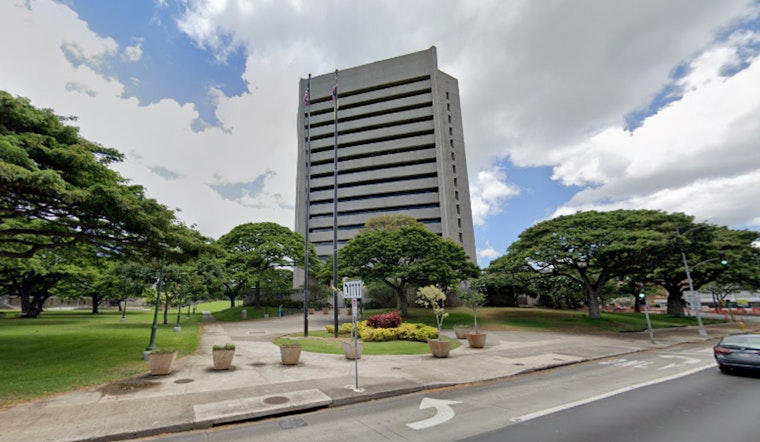
Honolulu’s Department of Planning and Permitting kept a city inspector on the payroll despite a string of complaints, an internal misconduct probe and a long criminal record, only cutting him loose months after a spring arrest that shocked city watchdogs.
What Police Say Happened
According to Hawaii News Now, Honolulu police arrested inspector Bryan Porcello on May 3, 2025, on suspicion of unlawful imprisonment, harassment and extortion. Investigators say he bailed a woman out of jail and then threatened to have her bail revoked unless she had sex with him.
Hawaii News Now reported that the victim showed up at the Kapolei police station with handcuffs still on her wrists. Police records show Porcello was released pending investigation, and the city placed him on administrative leave while its own probes continued.
Redacted Files, Murky Timeline
Documents obtained by Honolulu Civil Beat show the Department of Planning and Permitting produced more than 200 pages of records on the inspector, but almost all of them were heavily redacted.
Honolulu Civil Beat reports that the city’s corporation counsel said the blacked-out portions were required because the inspector filed a grievance, a move that could delay fuller disclosure for months or even years. Those redactions hide what DPP ultimately cited as the final justification for firing him, leaving the public to connect the dots with very little ink on the page.
Long Rap Sheet, Tough Questions On Hiring
Reporting by Hawaii News Now and public court minutes show the inspector had dozens of prior convictions and several restraining order violations dating back to the 1990s.
The station also quoted city officials saying a background check was done before he was hired and that he continued working in the department while his legal matters played out. That combination of a lengthy record and a public-facing role has prompted questions from residents and advocates about how thoroughly the city vets people who deal directly with the public.
Discipline, Delay And Final Firing
Civil Beat pieced together the administrative timeline from the city’s documents. An internal DPP inquiry wrapped up in November 2023 and found the inspector had falsified his timesheet and misused a city-issued phone. That report noted roughly 114 calls or texts to a girlfriend and recommended a five-day unpaid suspension along with counseling.
According to Civil Beat, DPP opened a second investigation two days after the May arrest. That probe was completed on August 7, and the department sent a notice on August 12. The inspector remained on leave and was eventually fired in September.
The staggered discipline and blacked-out paperwork have frustrated watchdogs who want a clearer explanation of how long the city was willing to keep him on and what, exactly, pushed officials from suspension to termination.
What The Charges Could Mean
If prosecutors choose to move forward, the allegations carry serious potential consequences under state law. Unlawful imprisonment is described as a felony under Hawaii’s HRS §707-721, according to Justia.
Extortion, which covers threats used to obtain property, labor or services, is defined in HRS §707-764, as outlined by Justia. Harassment statutes that criminalize repeated abusive or threatening communications appear in HRS §711-1106, summarized by FindLaw. Any criminal case would still hinge on prosecutors proving each element of those alleged offenses in court.
What Comes Next
Because so many personnel records were released in heavily redacted form while the inspector’s grievance is pending, key details of the city’s decision-making remain hidden even as both criminal and administrative processes move ahead. The Department of Planning and Permitting posts contact and records request information on its website for anyone who wants to pursue public files or follow the administrative timeline: DPP. For now, the thick redactions and drawn-out discipline record leave a familiar set of questions hanging over Honolulu’s city government about hiring, oversight and just how transparent local agencies are willing to be when things go wrong inside their own offices.





