

























































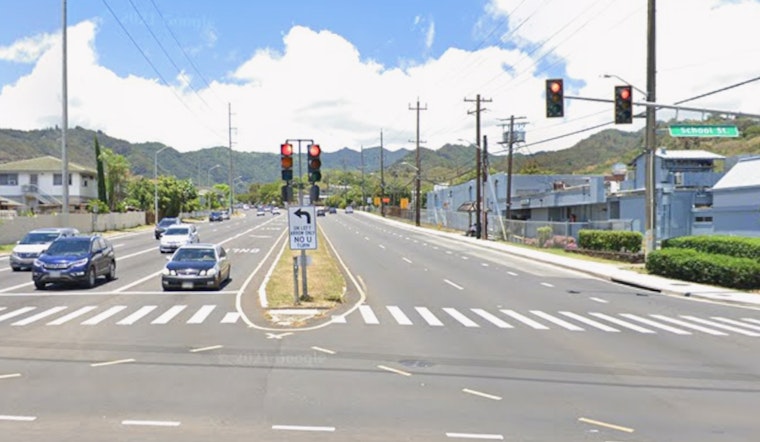
Honolulu’s big bet on speed cameras is hitting the slow lane. After months of warning letters and data-crunching, the Hawai‘i Department of Transportation is tapping the brakes on its expansion plan, narrowing how quickly and how widely automated enforcement will spread across the city.
The pivot comes after the pilot phase churned out an enormous stack of speed warnings and raised a very practical question in state government: Can courts and prosecutors realistically keep up with a surge of mailed citations without getting buried in paperwork?
DOT Rewrites Expansion Plan
Transportation officials now say they will add up to 10 new camera-monitored intersections in Honolulu each year, a far more modest pace than what they originally pitched. The earlier vision called for at least 20 cameras per year over eight years - roughly 160 new cameras statewide - a framework described in previous reporting by the Hawaii Tribune-Herald. DOT has since confirmed the scaled-back timetable in recent briefings to lawmakers, as reported by the Star-Advertiser.
Why Officials Slowed the Rollout
According to DOT leaders, the cameras have nudged driver behavior at monitored intersections, but they have also produced far more alerts than the state expected. During the warning phase alone, the system generated hundreds of thousands of written notices. Judges and prosecutors told lawmakers that reviewing and validating each case would require more staff and more money, according to Hawaii News Now. In other words, the pilot worked so “well” it threatened to overload the very system meant to enforce it.
How Ticketing Actually Rolled Out
After an extended warning period, the state converted some of those alerts into real citations late last year. Officials told legislators that ticketing began in early December and that the test phase had already produced more than half a million written warnings. That is a lot of envelopes.
DOT budget documents and legislative reports show the agency is seeking additional millions for the program next fiscal year, while lawmakers had previously carved out several million dollars to get enforcement off the ground. The vendor is paid a flat monthly fee rather than a per-ticket cut, a structure that was detailed by the Star-Advertiser.
What Drivers Will See
For drivers who trigger the cameras, the financial stakes are not small. Fines for speeding are tiered based on how far above the posted limit a motorist is traveling, ranging roughly from $167 to $317, while red-light violations are set at about $97, as reported by Hawaii News Now.
DOT officials also point to what they describe as steep declines in red-light violations and major crashes at monitored intersections once cameras were activated, a shift highlighted in DOT data and summarized as steep crash declines.
Next Steps and the Politics Behind the Pause
Transportation Director Ed Sniffen has said the department will keep tweaking enforcement thresholds and will coordinate closely with the Judiciary and prosecutors before planting cameras at new locations. Lawmakers who once debated a much larger multi-year expansion are now signaling they want a slower, more measured rollout while staffing and court capacity catch up, according to the Hawaii Tribune-Herald.
On the street, the immediate reality is simpler. Cameras that are already up will stay up. They will keep sending out warnings and, increasingly, fines for high-speed or repeat violations. The pause is less about letting drivers off the hook and more about giving the courts and law enforcement room to breathe while the state tries to lock in one goal: fewer serious crashes on some of Honolulu’s most dangerous intersections.





