

























































A new city audit is turning up the heat on Honolulu’s Office of Economic Revitalization, faulting the agency for murky budget reporting even as it managed hundreds of millions of dollars in relief and recovery funding. Auditors found gaps in how the office tracked spending and measured whether its programs were working, leaving parts of the city’s budgets and grants tough to reconcile. The findings raise pointed questions about whether taxpayer dollars are being tracked and reported in ways Honolulu residents can actually follow.
Audit Flags Big Spending, Thin Reporting
The audit found the office spent more than $324.3 million between fiscal 2021 and fiscal 2025 and received over $325.4 million in city, federal and private funding during that time, yet auditors said they could not determine budget information for OER’s general, special projects and federal grants for FY2021 through FY2024, according to the Honolulu Star-Advertiser. The review, which covered July 1, 2020, through June 30, 2025, labeled fiscal sustainability and program effectiveness as critical risks. It also found OER had completed only three of eight duties spelled out in the 2020 resolution that created the office, and that substantial program activity did not really pick up until fiscal 2023.
OER’s Programs And Mission
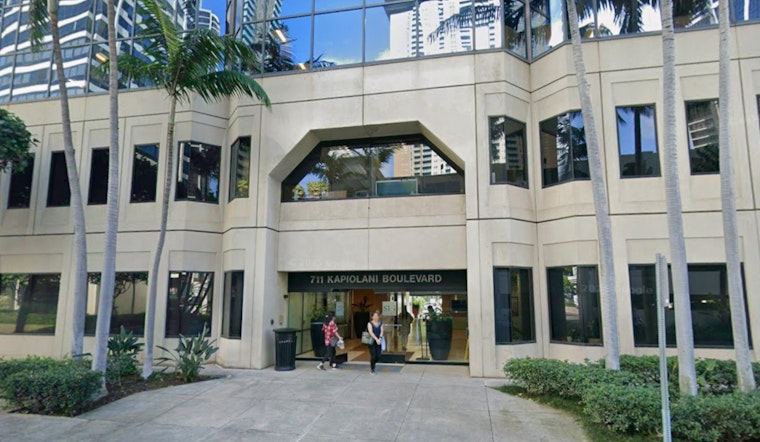
The Office of Economic Revitalization launched in 2020 with a big mandate: coordinate recovery and build long-term economic programs for Honolulu. Its website lists initiatives that include the Oʻahu Business Connector, workforce development efforts, sustainable agriculture and regenerative tourism, according to the City and County of Honolulu Office of Economic Revitalization. These programs are pitched as support for small businesses, immigrant and underserved communities, and as a way to grow tech and innovation work on Oʻahu. The site also lists the office’s location at 711 Kapiʻolani Blvd., 12th floor, and emphasizes using data-driven programs to create “good jobs.”
Auditor Recommendations And OER’s Response
The acting city auditor urged OER and the Economic Revitalization Commission to adopt a five-year strategic plan, build long-term sustainability practices and issue annual performance reports tied to clear key performance indicators, the Honolulu Star-Advertiser reports. In a written response, OER executive director Amy Asselbaye acknowledged the findings and said the office “accepts that transparency and budget reporting were insufficient.” She also said the public record should reflect nearly $350 million in relief programs the office has administered. The auditor’s Jan. 15 memorandum to the City Council further warned that OER had prioritized staffing over immediate recovery work and had only recently begun implementing programs in earnest.
Why This Matters For Honolulu
City leaders and small-business owners have been pressing OER to move from planning to visible results, from market support for local producers to pilot projects that link food systems to transit. Auditors, however, said measurable outcomes remain limited. Civil Beat has reported on several of the office’s food-system and community initiatives that planners say are meant to cut reliance on imports and create local jobs. The audit’s push for clearer reporting is supposed to give residents and policymakers a cleaner view of what those efforts actually delivered.
Next Steps
The auditor’s memo has been sent to the City Council and is expected to surface in oversight and budget talks as Honolulu finalizes FY26 spending priorities, officials say. Council materials and upcoming budget briefings will be the next test of whether OER embraces the audit’s recommendations and produces the public-facing performance reports auditors say are needed, according to the Honolulu City Council.





