

























































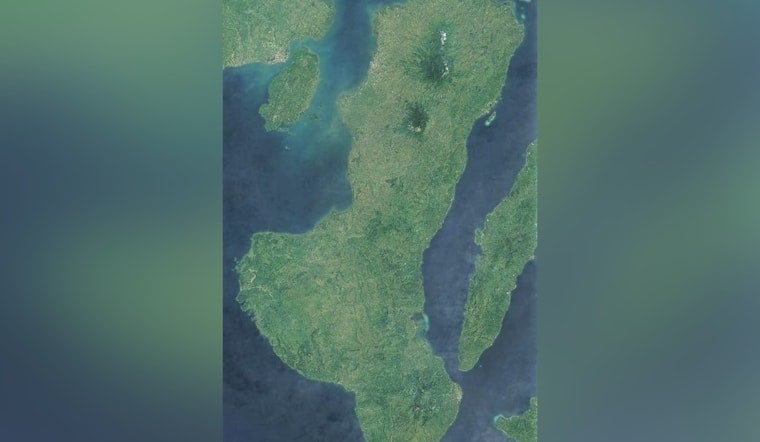
Two Americans with Hawaii ties were among 19 people killed when Philippine forces staged a multi-step operation in Toboso, Negros on Sunday, a clash that has sparked urgent demands for answers from Manila to Honolulu. The deadly encounter has triggered calls for independent investigations, candlelight vigils on Oahu and a U.S. consular security alert for Americans in the Philippines, as families and rights advocates press for clarity while the military insists it struck a unit of suspected New People’s Army fighters.
The National Task Force to End Local Communist Armed Conflict identified the U.S. citizens as Lyle Prijoles and Kai Dana-Rene Sorem and said they arrived in the Philippines in March, according to GMA News. Officials said the fatalities came after soldiers and police engaged alleged insurgents in Barangay Salamanca, Toboso.
Authorities and military task forces said 19 people were killed in the operation and that troops and police recovered more than 20 firearms at or near the scene, with one soldier wounded, according to The Associated Press. The task force statement also warned Filipino Americans about what it described as recruitment into insurgent networks and cast the operation as a strike against local leaders accused of violence in the area.
Human-rights groups and activists counter that nine of those killed were unarmed civilians, including a University of the Philippines student leader, a community journalist and researchers visiting rural villages. They have labeled the incident a massacre and are demanding an impartial probe, according to The Philippine Star. The Commission on Human Rights has opened its own investigation, while international organizations say they will be watching how the case is handled.
Hawaii reaction and U.S. response
In Honolulu, community organizers and residents gathered at Thomas Square for a vigil, reading the names of the dead and noting reports that the two Americans had ties to Hawaii, according to the Honolulu Star-Advertiser. U.S. Rep. Jill Tokuda said the killings "raise serious concerns" and called for a clear accounting of what happened, the paper reported.
As questions mounted, the U.S. Embassy in Manila issued a security alert advising Americans to steer clear of areas where Armed Forces of the Philippines operations are taking place and to enroll in the Smart Traveler Enrollment Program for updates, according to GMA News.
Balikatan drills and local ties
The clash unfolded just as the Philippines and its allies kicked off Exercise Balikatan on April 20, a large multinational training event that this year involves roughly 17,000 troops from the Philippines, the United States and partner countries, according to The Diplomat. Hawaii-based forces have a prominent role in the drills: the 3rd Marine Littoral Regiment out of Kaneohe reported sending more than 1,300 Marines and sailors, and the Hawaii-based 25th Infantry Division deployed a mobile brigade as part of the Balikatan contingent, per Army Times.
Investigations and legal fallout
The Commission on Human Rights has said it launched an independent investigation into the Toboso operation, while lawmakers and civil-society groups have filed resolutions and complaints seeking accountability. The Communist Party of the Philippines released an internal list acknowledging that about 10 of those killed were armed fighters but insisting that nine were noncombatants, a claim the military disputes, according to ABS-CBN News. The conflicting accounts have only intensified calls for impartial fact-finding.
As multiple inquiries move ahead, Philippine officials say they will cooperate with investigators, and U.S. consular officials report they are assisting the families of the Americans killed while urging U.S. citizens to avoid higher-risk areas. In Honolulu, organizers say the Toboso deaths have galvanized a small but vocal diaspora community that is now demanding transparency and a full public record of what unfolded in Negros.





