

























































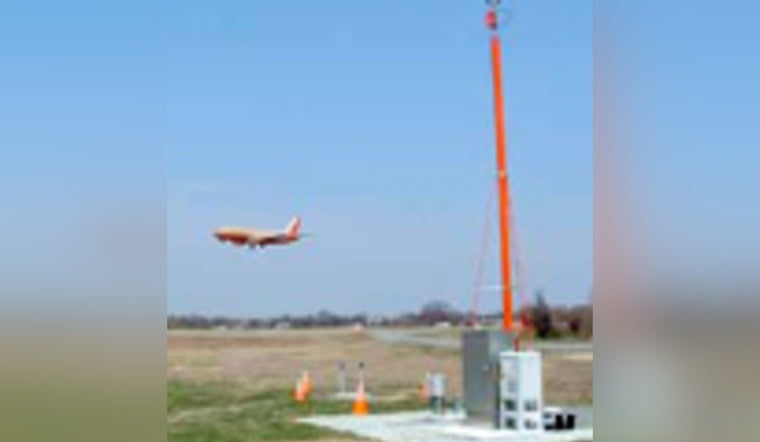
George Bush Intercontinental Airport just grabbed a national first. Federal officials announced Wednesday that air traffic controllers in Houston are the first in the country to get upgraded surface-movement radars, a key safety tool meant to give tower teams a sharper, real-time view of aircraft and vehicles on runways and taxiways. The upgrade is part of a wider federal push to refresh aging air-traffic infrastructure that has been quietly running in the background for decades.
According to Click2Houston, the FAA said the new Surface Movement Radars will serve as the radar backbone for the airport’s Airport Surface Detection Equipment Model X (ASDE-X) system and will replace hardware that dates back to the 1990s. The agency told the outlet that the upgraded surface surveillance is expected to boost situational awareness for controllers and cut the risk of runway incursions and other incidents on the ground.
How the upgrade sharpens the tower’s view
As outlined by the FAA, ASDE-X pulls in data from surface-movement radar, multilateration sensors and ADS-B to show controllers where aircraft and ground vehicles are across movement areas of the airport. The system presents a color map and can throw visual and aural alerts when it detects possible conflicts, a feature that becomes especially valuable at night or in low-visibility weather. Within that mix, the Surface Movement Radars act as the non-cooperative radar piece, giving coverage even when transponders are not available.
Slotting Houston into the national rebuild
Transportation Secretary Sean P. Duffy has been pushing a multibillion-dollar effort to replace long-serving radar, telecom and automation systems across the United States, and national coverage has framed the work as a fast-paced modernization campaign. Per The Guardian, Duffy and the Department of Transportation have called for quicker, large-scale upgrades that include new ground-tracking sensors at busy hubs. FAA officials say that putting modern Surface Movement Radars in place at a high-traffic field like IAH is an early, concrete step in that broader program.
What travelers will actually notice
The FAA’s outline for its new air-traffic control program notes that installing Surface Movement Radars at the most complex airports is just one element in a larger package of surveillance, communications and automation upgrades. As explained on the agency’s FAA page for the effort, the changes are intended to improve reliability and give controllers more robust tools to head off the kind of close calls that have drawn increased scrutiny in recent years. Passengers, however, are not expected to see obvious changes out on the tarmac right away, with officials saying the improvements are largely behind the scenes, giving controllers clearer alerts and a little more time to react.



