

























































Tensions have risen in Minnesota following a noticeable increase in federal immigration enforcement activity across the state. According to federal officials, Immigration and Customs Enforcement (ICE) has expanded operations in the Twin Cities region as part of a broader enforcement effort, prompting concern among community members, local leaders, and educators about the scale and visibility of the presence.
The situation intensified after the fatal shooting of a Minneapolis woman, Renee Good, during an ICE operation earlier this month. Federal authorities have stated that the agent involved acted in self-defense, while city officials, family members, and eyewitnesses have called for a full and transparent investigation into the circumstances surrounding her death. The incident remains under federal review and has become a focal point for public debate over accountability and the conduct of immigration enforcement.
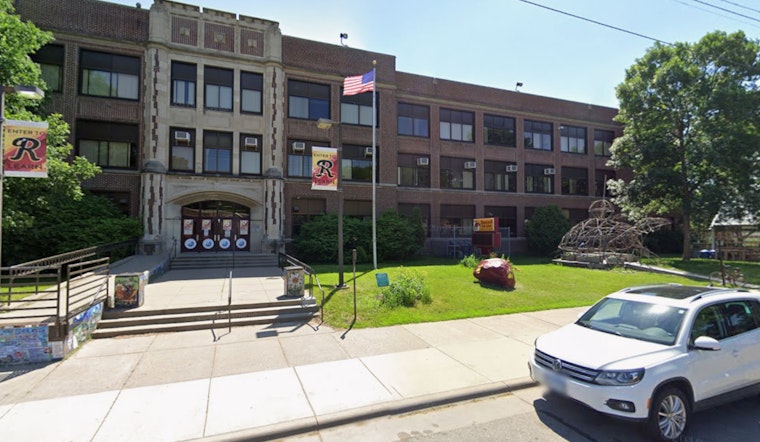
In the days following the shooting, federal agents were reported to be operating near several Minneapolis schools, including Roosevelt High School. Educators and union representatives said students and staff were exposed to chemical irritants during a confrontation involving federal agents, leading Minneapolis Public Schools to temporarily suspend classes out of concern for student and staff safety. Federal officials have said they are reviewing reports related to these events.
State lawmakers, including the Chair and Vice Chairs of the Senate Education Committees, urged ICE to refrain from operating on or near school grounds. In a statement released by the Minnesota Senate DFL Caucus, they emphasized that schools should remain safe and welcoming spaces for students, families, and educators, and criticized any actions that disrupt learning environments or heighten fear among children.
At the same time, federal authorities have defended their operations as lawful and necessary to enforce immigration statutes and protect public safety, noting the risks agents may face during enforcement actions. Supporters of the operation argue that immigration laws must be applied consistently, while critics contend that the approach undermines trust and disproportionately affects local communities.
Community response across Minnesota has included vigils, public meetings, and protests, many of which have remained peaceful. State leaders have called on residents to remain calm while investigations continue, stressing the importance of unity and lawful expression during a period of heightened tension.
As developments continue to unfold, the events in Minnesota have reignited a broader national discussion about immigration enforcement, the role of federal agencies in local communities, and the responsibility to balance public safety with transparency, accountability, and the well-being of students and families.



