

























































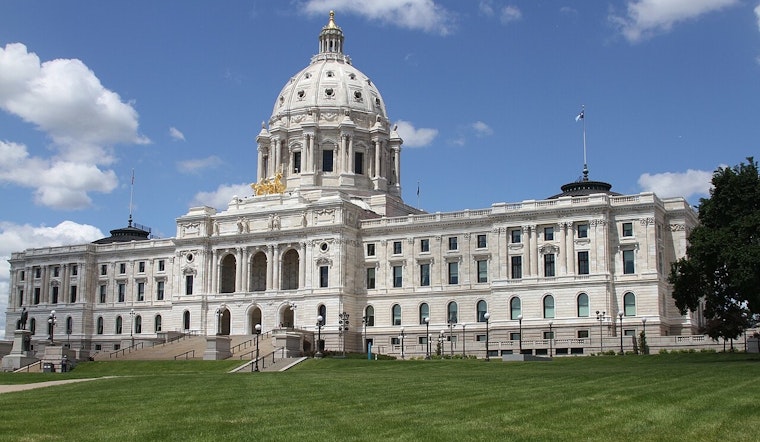
The safety and security of the Minnesota State Capitol complex recently underwent a meticulous examination, and the results are in. An independent security assessment spearheaded by the Axtell Group, a noted firm, highlighted several areas for improvement to bolster the safety measures amidst today's increasingly concerning climate. In their executive summary, released by the Minnesota State Patrol, they cited professional dedication among security staff but pointed out significant room for advancements in vital areas such as weapons screening and technology upgrades.
While the integrity of the Capitol's security team wasn't called into question, with the Minnesota State Patrol's executive summary acknowledging their "professionalism, situational awareness and a strong commitment to public service," the report suggests that modern threats and expectations necessitate a rethink in operational approaches. Released on January 7th, the report does not reveal all details, citing sensitive security information that, under Minnesota law, remains under wraps.
Among the specific concerns, the study emphasizes the need for a consistent approach to weapons and hazardous materials screening, as well as a call for standardized employee and contractor access controls. This approach would not only keep dangerous items at bay but also streamline entry protocols for staff and guests, minimizing the risks of unauthorized access. "This independent review gives us a clear understanding of what we’re facing and helps ensure any next steps are guided by facts," Col. Christina Bogojevic of the Minnesota State Patrol told a DPS news release.
The report also recommended strengthening the management of internal building movements, suggesting better monitoring of elevators and securing private work areas. Meanwhile, perimeter and exterior security were noted for potential enhancements like improved lighting and better camera surveillance. "Protecting a Capitol complex that is historic, highly visible and open to the public requires constant evaluation and adjustment," Col. Bogojevic said, according to the DPS official website, emphasizing the necessity of such measures for a landmark that's as symbolic as it is functional.
With the review confirming the dedication of Capitol security personnel, the improvements already set in motion by the Minnesota State Patrol include boosting communications with state lawmakers about safety concerns, enhancements in security camera technology, and the addition of new security officers and dispatch staff. However, the assessment refrained from price tagging the recommended measures, suggesting that additional planning and policy-making steps are required for accurate cost estimation.
Next steps for these recommendations will roll out through policy and budget talks, under the umbrella of the Advisory Committee on Capitol Area Security (ACCAS). ACCAS, primarily an advisory body, does not have the power to directly influence funding or amend public safety laws. Nevertheless, with new improvements and strategies already unrolling, it's clear that the Capitol Complex safety is a continually evolving endeavor, shaped by ongoing discussions and stakeholder coordination.



