

























































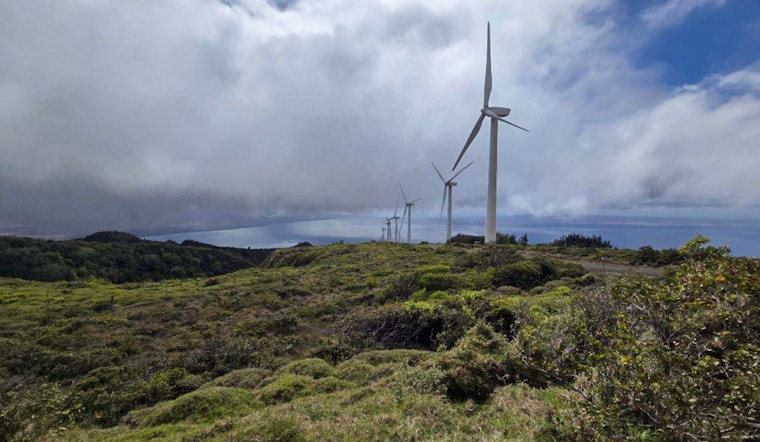
The Board of Land and Natural Resources (BLNR) gave the thumbs up on a new 25-year lease for Kaheawa Wind Power I, ensuring the wind farm will keep spinning in West Maui. Operational since 2006, this facility stretches over about 200 state-owned acres and boasts 20 turbines with the capacity to power roughly 17,000 homes on Maui annually, as reported by the Department of Land and Natural Resources.
The new agreement sets the stage, not for an expansion but for uninterrupted service with a lease pricing of $300,000 a year or 3.5% of the annual gross revenue, if that's higher. The rates will undergo a reassessment after a decade to align with the fair market value. Included in the lease are six months allocated for turbine refurbishments, a 20-year operation period, and a two-year window for taking the windmills down, should that be necessary.
The BLNR's unanimous decision didn't come without due diligence. The Final Environmental Impact Statement, rigorously reviewed and accepted in December 2025, checked out, finding the project agrees with legal requirements and aptly reports its environmental footprint. The lease renewal also came hand-in-hand with approvals for its Habitat Conservation Plan and the issuance of an Incidental Take License as recommended by the Division of Forestry and Wildlife (DOFAW).
Ryan Kanaka'ole, the acting chair of DLNR, emphasized the significance of the lease, noting, "This decision supports Hawaiʻi’s long-term renewable energy goals and the responsible management of public lands." He added that the generated lease revenue is crucial for the department's conservation and resource management efforts across Hawaiʻi. The project's financial contributions will continue to pour into the state's Special Land and Development Fund, which backs DLNR initiatives throughout the islands, according to the Department of Land and Natural Resources.
In consideration of local interests, the BLNR conducted the meeting in Maui. State law dictates that renewable energy lease proposals are addressed on the island where the public lands in question are situated. This approach ensures that those who are directly impacted by such decisions have a say in the process.





