

























































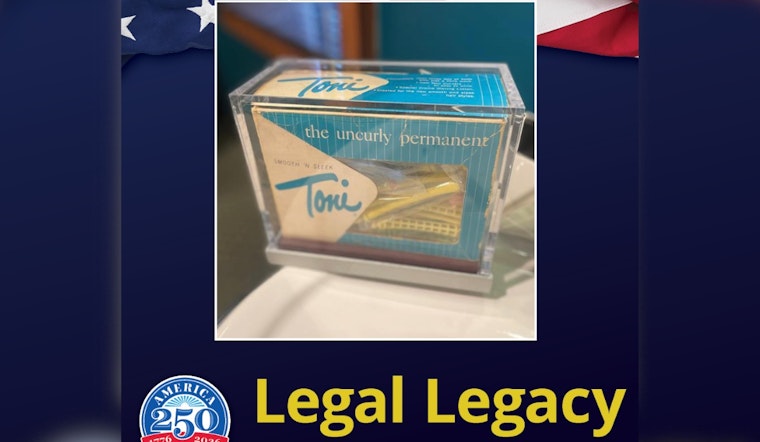
In a dramatic twist to consumer rights, the Toni Home Permanent Company, once the maker of at-home hair perm kits, was found liable for damages after a product labeled “Very Gentle” caused a young Ohio girl's hair to fall out. In 1958, this incident led to a landmark legal case that has since been a pivotal moment for manufacturer liability, as recently chronicled by the Thomas J. Moyer Ohio Judicial Center.
The case, which began in Cuyahoga County Common Pleas Court, was significant because the court initially sided with Toni Home Permanent, citing privity—a concept requiring a direct contract between buyer and seller—as a defense. However, upon appeal, the Eighth District Court of Appeals overturned this decision, setting a precedent that leaves a door open for consumers in similar circumstances. According to Court News Ohio, an article by the Visitor Education Center, the court ruled that advertising the product as safe could hold the manufacturer liable regardless of a direct purchase contract.
Eventually, the case reached the Supreme Court of Ohio, where a final judgment was passed in Rogers v. Toni Home Permanent Hair Co. The Court ruled that the company was indeed liable for damages due to the injury caused by the defective product. Justice Charles Zimmerman, writing for the majority, stated, as detailed by Court News Ohio, "The warranties made by the manufacturer in his advertisements and by the labels on his products are inducements to the ultimate consumers, and the manufacturer ought to be held to strict accountability to any consumer who buys the product in reliance on such representations and later suffers injury because the product proves to be defective or deleterious."
This ruling has reconfigured the legal landscape, eradicating the necessity of direct privity for consumers seeking justice against manufacturers. Now, an express warranty broken by a manufacturer is sufficient grounds for legal action, emphasizing accountability in advertising claims. The implications of this case still resonate, reminding us of the necessity of the judicious scrutiny of manufacturers and the advertised claims they make about their products.
For those interested in exploring the legal legacy of Ohio's judiciary rulings, the Visitor Education Center located at the Thomas J. Moyer Ohio Judicial Center offers public tours of their exhibits. Details for tour scheduling are available through their official contact information—you may call 614-387-9223 or email [email protected].




