

























































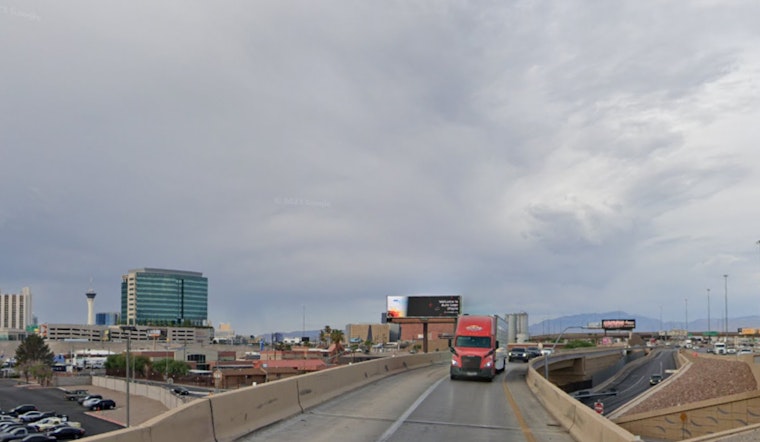
Las Vegas locals and visitors can expect a slight switch-up in the weather pattern this weekend, as forecasted by the National Weather Service Las Vegas. Moving into the area today and Saturday is a weather system set to bring a smattering of light rain and some feisty gusts. In a report earlier this morning, the NWS clarified that although rain chances are slim, hovering around 5-15%, the city won't escape entirely unscathed by the incoming system.
Specifically, Saturday could see winds hustling through at 20 to 30 mph, especially in spots where the terrain tilts upward or along valleys riding a north-south line, like the Colorado River Valley. With the winds, expect the lakes to get a little choppy, with waves potentially rearing up 1-3 feet high. Temperatures will take a slight dip over the weekend, too, sliding down a few degrees below what we usually expect this time of year. The cold snap shouldn’t last long, however; the National Weather Service forecasts indicate a warm-up next week as high-pressure moves back in.
Skies will clear up as we head into the next work week, with the mercury climbing each day to sit comfortably above the seasonal average by Thursday—think 4 to 6 degrees toastier. Those who enjoy a clear blue expanse will be pleased, as mostly sunny conditions are anticipated to rule the days ahead. Nevertheless, the area near the Colorado River can still expect a fair bit of breeziness, courtesy of various shortwave troughs making their rounds.
Aviation-wise, things at Harry Reid are looking steady with winds expected to maintain their light pace, rarely kicking up over 10 knots. The skies will be dotted with scattered to broken clouds hovering between 12-15kft, potentially dropping lower later in the day as showers dot the vicinity. Across the broader tri-state range, VFR conditions prevail, with any CIGs are likely (90%) to remain at or above 8kft, according to the weather bulletin. Sporadic rain is predicted to unfold over southeastern Nevada and northwestern Arizona by this evening.
Spotters are encouraged to report significant weather occurrences as they happen, sticking to the standard protocols in place.





