

























































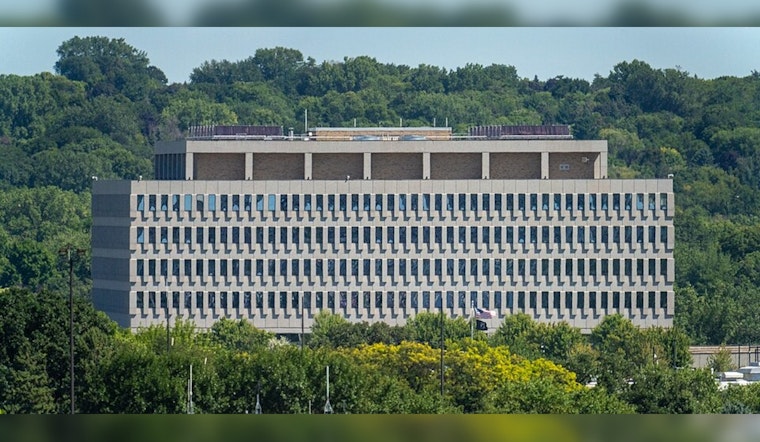
A new class action filed this week accuses the federal government of running what amounts to a lawyer lockout at the Bishop Henry Whipple Federal Building, cutting detained immigrants off from confidential conversations with their attorneys. The complaint says people held at Whipple have their calls monitored, are denied private meetings with counsel, and are shipped out of state before lawyers can build a defense. Plaintiffs argue the practices put hundreds at risk of losing core constitutional protections and urge a judge to step in immediately, warning that every hour without counsel erodes detainees' legal rights.
What the filing says
According to the class action complaint filed in U.S. District Court and posted by Democracy Forward, the case, brought by The Advocates for Human Rights on behalf of a detained Minnesota resident and a proposed class, names the U.S. Department of Homeland Security, U.S. Immigration and Customs Enforcement, and the Federal Protective Service as defendants. The suit seeks injunctive relief aimed at restoring confidential attorney client communications.
The complaint lays out instances in which attorneys say they were stopped at the door of the Whipple building or left waiting for hours, only to be told there was no appointment or no room available for a private meeting. It alleges that phones and in person visits have been subordinated to security protocols that make confidential consultation effectively impossible.
Local reporting and lawyers' accounts track closely with those claims. Attorneys told reporters they waited outside visitation rooms for extended periods and were informed the facility could not accommodate them or that they were not on the schedule, according to KSTP. Plaintiffs also say detainees were pushed to sign "self deport" paperwork and that quick transfers to Texas and other distant jurisdictions have been used in ways that undercut local legal defenses.
What the lawsuit asks the court to do
The suit asks the court to order rapid changes to guarantee detainees can speak privately with counsel, to require meaningful access to private phone calls, and to halt transfers and other practices that plaintiffs argue block or delay legal representation, as outlined in the filing available from Democracy Forward. Plaintiffs also challenge the government’s use of the civilian Whipple building as a de facto immigration detention center, arguing the complex lacks beds, private phones, and other basic infrastructure needed for prolonged custody.
Precedent and the local backdrop
Civil rights attorneys say the Whipple case lands in the middle of a growing body of federal court rulings that have already forced changes elsewhere. Judges in New York and Illinois have recently ordered DHS and ICE to restore access to counsel at specific facilities, a legal backdrop documented by the Civil Rights Litigation Clearinghouse.
Closer to home, the Whipple complex has become a daily protest site after an ICE involved fatal shooting in early January. Local outlets have documented tense standoffs outside the building, including coverage of a Pikachu protester dragged off in a snowy clash that captured how charged the atmosphere has become.
Officials and attorneys respond
Advocates say the lawsuit simply puts formal legal framing around what they have been warning about for weeks: violent arrests, overcrowded conditions, and detainees kept in shackles while scrambling for legal help. They describe the complaint as a push for fast court intervention, not a slow burn policy fight.
At the time of reporting, DHS had not issued a public response, according to coverage from KSTP. Attorneys representing detainees say they plan to seek expedited hearings in the new case while continuing to file individual habeas petitions on a parallel track.
Why it matters
If the judge grants the emergency injunctive relief plaintiffs are seeking, it could trigger immediate changes to visitation rules, phone access, and transfer practices at Whipple. Lawyers argue those steps are basic prerequisites for meaningful representation in immigration court and for preventing removals that are improper or rushed.
For now, the case adds another legal pressure point on federal detention policy in the Twin Cities and will test how far the courts are willing to go in ordering the government to restore confidential access to counsel inside a high profile local facility.





.jpg)