

























































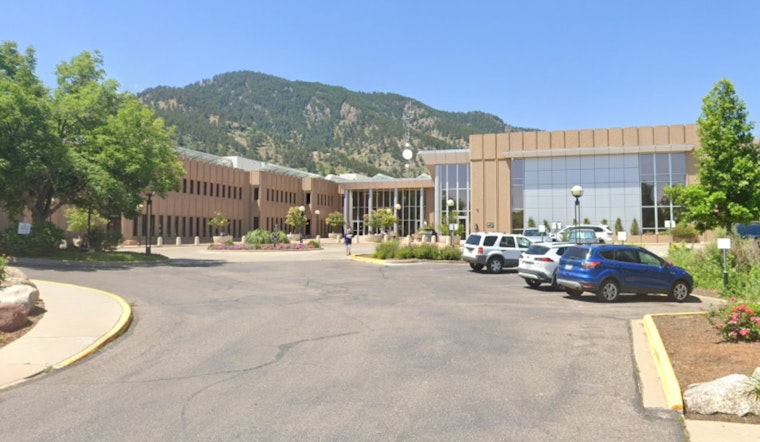
A Boulder County grand jury has indicted two relatives on manslaughter-by-aiding-suicide charges after Mildred “Milsy” Roller, a 91-year-old resident of an independent-living campus in Louisville, died in February 2024. Prosecutors say she was found with a clear bag over her head that was attached to a nitrogen tank and regulator, and they argue the help she received did not follow Colorado’s medical aid-in-dying process. The indictment names her daughter, 70-year-old Kim S. Roller, and her son-in-law, 68-year-old David Norton, as the defendants.
Paper Trail of Purchases and Texts
Investigators say they followed a trail of receipts and digital breadcrumbs that tie the pair to the nitrogen setup used in the death. According to prosecutors, Kim Roller bought a 20-pound industrial nitrogen bottle at an Airgas store in Dacono, while Norton bought and installed a gas-flow regulator.
Prosecutors say videos and text messages pulled from Kim Roller’s phone show Mildred explaining her decision. The indictment also points to family texts about inheritances and to equipment linked to Final Exit Network resources. It further notes the resident’s monthly bill at the Balfour campus and about $655,540 in savings, details that come from Boulder County.
Autopsy Findings and Prosecutors’ Theory
An autopsy reviewed by the grand jury concluded that Mildred Roller did not have a terminal illness, a fact prosecutors say places the case outside Colorado’s End-of-Life Options Act. The coroner’s opinion listed the cause of death as asphyxia caused by a bag and the displacement of oxygen by nitrogen gas, according to The Denver Post. Those medical findings, combined with the grand jury’s review, led prosecutors to seek indictments in January.
DA’s Take and Final Exit Network’s Shift
"Our office understands and supports the right of Coloradans to avail themselves of medical aid in dying," District Attorney Michael Dougherty said, while adding that the law’s "requirements and safeguards" were not followed here, according to the DA’s press release.
As part of the broader investigation, prosecutors say they reached an agreement with the Final Exit Network. The group will stop including nitrogen demonstrations, step-by-step instructions, and equipment lists at public workshops, and will add clearer warnings about Colorado law. The DA’s office has framed those changes as an effort to spell out what is, and is not, legally permitted in the state, as described in the press release from the district attorney’s office.
Legal Stakes
Under Colorado law, manslaughter includes a person who "intentionally causes or aids another person to commit suicide," making that crime a class 4 felony under C.R.S. § 18-3-104. The End-of-Life Options Act, which allows medical aid in dying for eligible, terminally ill adults through a tightly structured process, requires a prognosis of six months or less and specific medical steps and sign-offs, as outlined in state public health materials. Those statutory and regulatory rules sit at the center of the prosecution’s theory in this case.
What Happens Next and Where to Turn for Help
The grand jury returned the indictments on Jan. 8, 2026, and the case remains under investigation. The defendants are presumed innocent unless and until they are proven guilty in court, according to The Denver Post. Prosecutors say they will continue reviewing evidence, and court dates have not yet been set.
For readers shaken by this story or facing a crisis of their own, local resources include the Hope Coalition of Boulder and statewide crisis services. Colorado providers and public health sites list 988 and other suicide prevention tools for immediate support and longer-term help.





