

























































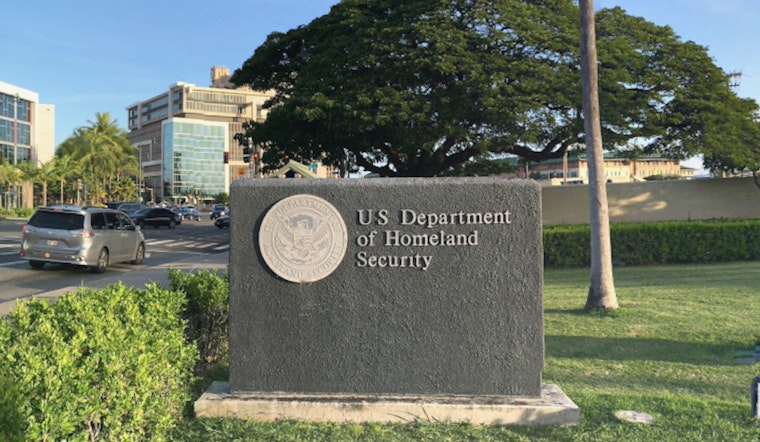
Maui community groups are moving fast to protect immigrant neighbors as reports of possible ICE activity ripple across the island and leave families anxious. Volunteers and organizers have set up hotlines, launched legal-observer patrols and stacked calendars with know-your-rights trainings for restaurant workers, church leaders and other frontline community members. They say the goal is to keep families plugged into lawyers and basic services in what feels like a constantly shifting enforcement climate.
El Pueblo en Acción Maui runs a volunteer watch network and tipline that organizers say can be tapped at a moment’s notice to verify sightings, act as legal observers and help people prepare if agents show up, according to Maui Now. The roughly 50-person network checks photos, visits reported locations and even uses reverse-image searches to avoid spreading bad information or fueling panic.
ICE Visit To Kīhei Church Shakes Worshippers
Organizers say tensions spiked after agents arrived during a sacrament hour at a Kīhei church on Jan. 11, waiting through the service before leaving when the people they sought did not appear. The coalition says the incident rattled congregants and raised alarms about where enforcement might happen next. “The worry here is as we continue to see ICE enforcement presence at these previously protected locations, that there will be a chilling effect,” Tina Sablan told Maui Now, warning that families could start skipping church or school if these visits keep happening.
Records Show Hawaiʻi Arrest Numbers Climbing
At the statewide level, advocates with the University of Hawaiʻi’s Refugee and Immigration Law Clinic told lawmakers that ICE arrested 149 people in Hawaiʻi in the first six months of 2025, according to the Hawai‘i Journalism Initiative. A separate analysis by the Deportation Data Project found that arrests had climbed to 194 by Oct. 15 and documented an increase in detainees held at the federal detention center in Honolulu, Honolulu Civil Beat reported.
Classrooms, Courthouses And Job Sites Feel The Strain
The ripple effects have stretched into schools and workplaces. More than a dozen teachers were briefly detained during an early-morning operation in Kahului in May, prompting a wave of civil-rights trainings for educators, according to Hawaii News Now. Local mutual-aid groups such as Maui Rapid Response say they step in when a parent or breadwinner is suddenly gone, coordinating rent help, child care and short-term housing to keep families afloat, Maui News reported.
Federal About-Face On ‘Sensitive Locations’ Raises Stakes
Federal guidance that once discouraged immigration enforcement at places like churches, schools and hospitals was rescinded early in 2025, a reversal that legal experts and health providers say has made emergency planning far more urgent, per Axios. In Honolulu, state lawmakers have introduced proposals aimed at reviving protections for these sensitive locations and limiting how much local agencies cooperate with federal immigration operations, advocates told the Hawai‘i Journalism Initiative.
Hotlines And Help For Those Caught In The Middle
On Maui, El Pueblo en Acción Maui operates a tipline at (808) 500-5533, and volunteers urge residents to document encounters, ask to see warrants and avoid consenting to searches without one. The University of Hawaiʻi Refugee and Immigration Law Clinic runs a detainee hotline at (808) 204-5951, according to Hawaii News Now, and local support groups help connect affected families with immediate needs such as rent, child care and transportation.
Organizers say the volunteer network has a straightforward mission: keep people calm, keep them in touch with lawyers and keep them represented in immigration court if they are picked up. With lawmakers still debating statewide protections, grassroots groups say the hotlines, patrols and trainings will remain in place for as long as the enforcement activity continues.





