

























































The not-so-unnoticed efforts of citizen scientists and data crunchers are due to get their moment in the spotlight this January with the return of the NotMISpecies webinar series. If you're into protecting mussels or tracking the ebb and flow of invasive plants, these discussions are something to get clicked on. Spearheaded by the Michigan Invasive Species Program, the series serves up hour-long, monthly sessions teeming with insights on state and regional wildlife management, complete with Q&A segments for that extra interactive zest.
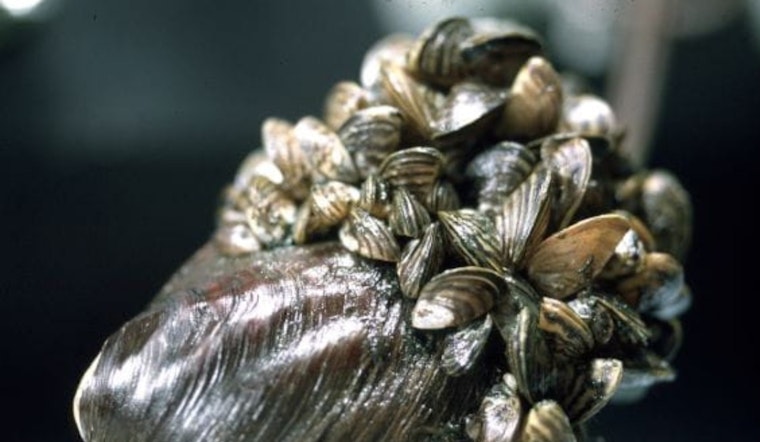
It's not just about boat props and tender feet—native mussels in Michigan are having a tough time due to some uninvited guests: zebra and quagga mussels. These invasive mollusks are literally getting on top of native species, hampering their vital functions. The upcoming program "In a Stranglehold: Can We Prevent Invasive Mussels from Muscling in on Native Populations?" zooms in on this issue. Michael Hillary, a fisheries biologist with the Michigan Department of Natural Resources, taps into decades of data to field-test strategies for protecting these native filter feeders, as reported by the Michigan Invasive Species.
Trees and terrestrial habitats aren't immune to invasion either. A dedicated team comprised of four foresters and two wildlife biologists, as highlighted in the session "Habitat Protectors: New Team Targets Invasive Species on State Lands," is stomping out invasive species on state-managed lands—a whopping 4.6 million acres of it. The focus is on both the watch list of concerning species and high-priority invasives, with Michigan’s Invasive Species Response Team at the frontlines, as per the Michigan Invasive Species.
Transitioning from traditional paper maps to advanced GIS systems has injected fresh energy into tracking invasive plant trends, a metamorphosis dissected in the March webinar, "Old Data, New Insights: Tracking Invasive Plant Trends in Michigan’s State Parks." Panelists Mike Hindy, Greg Norwood, and Emily Leslie will tackle the trajectory of such species across the state's parks, per the Michigan Invasive Species.



