

























































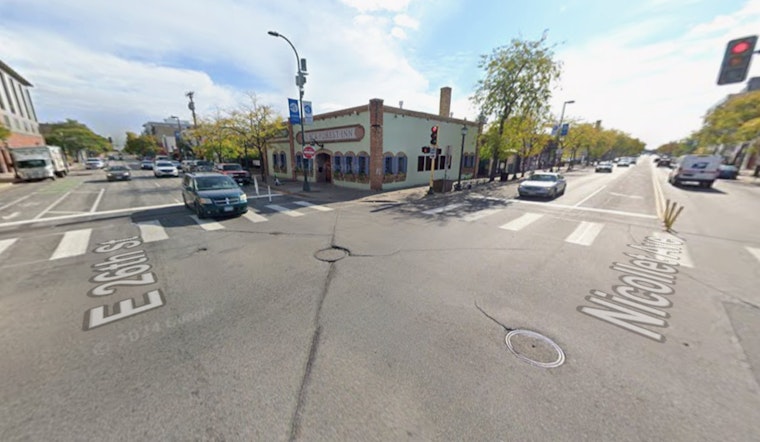
A highly contentious incident unfolded in Minneapolis, where federal immigration agents are being accused of fatally shooting an observer on the corner of 26th and Nicollet Ave South. The breach reflected in a public execution, as worded by Jason Chavez, Minneapolis Ward 9, captured the attention and outrage from the community, calling for immediate action.
According to Chavez's social media post, observers in the Minneapolis area have a continuing presence because of their solidarity with immigrant communities—actions born out of love and an effort to keep families united. Reacting to the incident, with agents who were involved, Chavez demanded, must be "arrested. ICE must leave our city, our state, and must be abolished." This plea for justice echoes the sentiments of Minneapolis residents who are increasingly critical of federal immigration enforcement tactics.
The victim, whose identity has not been released, was participating in community monitoring, a practice that has become more common in the backdrop of heightened immigration raids and growing distrust towards ICE. Chavez's statement, highlighting the crucial role these observers play in offering support and protection to immigrants, underscored the tragedy: "My thoughts are with the victim and the family of the victim."
As the neighborhood grapples with the aftermath of the shooting, the call for accountability is growing. Chávez's firm stance that "Accountability needs to be met" reverberates as a demand that federal agencies be held to the same standards of law and human decency as any entity or individual. While the details surrounding the incident remain cloaked in uncertainty, the pain inflicted upon the community is casting a long and unwavering shadow. Chávez promised to keep the public informed as more information becomes available.
The incident has set off a wave of response across social media platforms, where local residents and civil rights advocates alike are mobilizing to voice their concerns and seek answers. The fallout from the event continues to evolve, posing serious questions about the use of force by immigration agents and the safety of those who stand to watch over the vulnerable. This clash between federal authority and local community action illustrates an ongoing national debate about immigration enforcement and the scope of its reach into cities like Minneapolis.





