

























































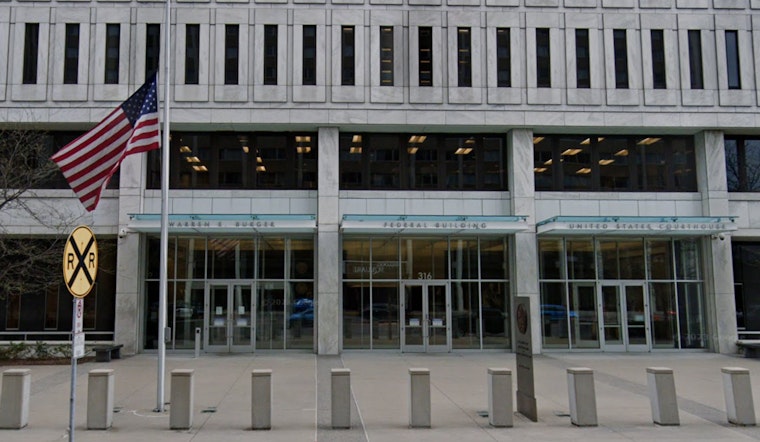
A federal judge in Minneapolis has ordered the release of Garrison Gibson after concluding that immigration agents violated his constitutional rights when they used a battering ram to force their way into his home. The decision follows a habeas corpus petition filed by Gibson's lawyers and arrives amid an intense period of federal immigration enforcement around the Twin Cities that has sparked protests and legal battles. In his ruling, the judge focused on procedural lapses that he said made Gibson's detention unlawful.
Judge's order says arrest was unlawful
U.S. District Judge Jeffrey Bryan wrote that agents "forcibly entered Garrison G.'s home without his consent and without a judicial warrant," and ordered that Gibson be released from custody. Bryan also found that officials failed to provide adequate notice that his order of supervision had been revoked and did not give him a timely post detention interview, undermining the government's authority to detain him, according to The Associated Press.
How the raid unfolded
Video and family livestreams show heavily armed immigration agents using a battering ram on the front door of a north Minneapolis home while Gibson's wife and their 9-year-old child were inside, as relatives at the scene demanded to see a judicial warrant before officers entered. Gibson's attorneys say agents presented only administrative paperwork, which authorizes arrests but not forcible entry into a private home, and that they filed a habeas petition within 24 hours of the raid, as reported by FOX 9.
Gibson's background and check-ins
Garrison Gibson, a Liberian national in his late 30s who fled civil war as a child, had been living in the U.S. under an order of supervision and routinely checking in with immigration officials, including days before his arrest, his attorney says. Court filings and prior reporting show that a 2008 drug conviction was later dismissed and that Gibson had been subject to ankle monitoring and regular check-ins, per ABC News.
DHS response and record dispute
The Department of Homeland Security has pushed back, with assistant secretary Tricia McLaughlin asserting that Gibson has "a lengthy rap sheet" that includes robbery and weapons offenses, though she did not specify any convictions. Reporters who reviewed court records found only a single felony case from 2008, along with a handful of traffic and minor arrests, a discrepancy highlighted in reporting by The Associated Press.
Legal implications and what's next
Judge Bryan ordered that Gibson not be moved while the government prepares its response and gave DHS a short deadline to comply. He also signaled that Gibson's legal team may seek attorney's fees under the Equal Access to Justice Act. The ruling, which turns on whether an administrative warrant alone allows agents to force entry into a private residence, could become a touchstone for other legal challenges to tactics used during the recent enforcement surge, according to FOX 9.
Why Minneapolis is watching
The decision comes amid heightened tensions following the Jan. 7 fatal shooting of Renee Good by an ICE officer and weeks of protests and legal action over federal immigration operations in the Twin Cities. Local leaders, civil rights groups and residents have raised alarms about aggressive tactics and warrantless entries as enforcement teams have carried out thousands of arrests across the region, as documented by CBS News.


