

























































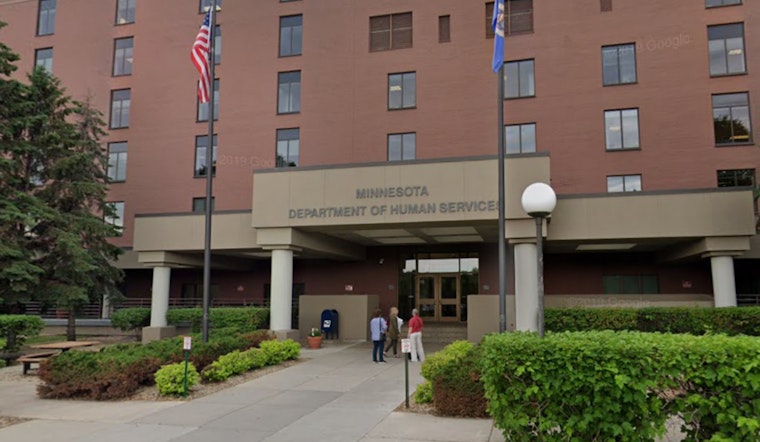
Minnesota is clamping down on Medicaid fraud, and new providers looking to offer certain services are about to hit a wall. According to an announcement by the Minnesota Department of Human Services (DHS), the state will soon freeze enrolments for providers in 13 Medicaid service categories identified as particularly vulnerable to fraudulent practices. The decision is part of a larger effort in conjunction with the U.S. Centers for Medicare & Medicaid Services (CMS) to protect the integrity of the program, the lifeblood of many residents who depend on these services.
Speaking to the necessity of the measure, Temporary Human Services Commissioner Shireen Gandhi stated, "This action is one more step we are taking to disrupt fraudulent billing." While a start date for the freeze hasn't been announced, the DHS plans for the enrolment halt to last for about six months. It's a complex effort working hand in glove with CMS directives, which falls under the umbrella of Governor's Executive Order 25-10, aimed squarely at fighting Medicaid fraud head-on.
The freeze won't affect existing providers already serving the community; they can continue to render services as per usual. Yet for new applications, the door will be closed temporarily in efforts to wage a war against fraudsters siphoning funds meant for the needy. However, there's a glimmer of hope for communities in dire need of providers, as the DHS will issue exceptions to this enrollment stoppage, but only with written approval from CMS.
These 13 service categories run the gamut from adult daycare to non-emergency transportation and include crucial support services like individualized home supports and night supervision. As per recent DHS communications, Minnesota also gave these categories a hard stop back in October 2025 due to rampant fraudulent activity. Alongside enacting this freeze, Minnesota is casting a thorough eye over its current providers, requiring a revalidation process to weed out any bad actors already within the system.
The fight against Medicaid fraud in Minnesota has been gaining momentum since May 2025, with the DHS on the offensive through several initiatives. They have tagged additional Medicaid benefits as high-risk, kicked approximately 800 inactive providers to the curb, and employed the expertise of a third-party auditor to pore over billing for high-risk services before payouts occur. On top of that, the DHS also launched a website dedicated to keeping the public in the loop about their ongoing quest for program integrity.



