

























































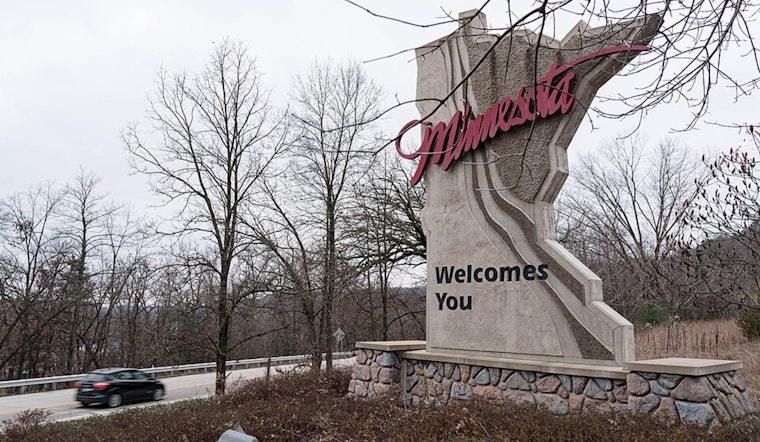
Minnesota quietly pulled off a demographic plot twist last year, picking up roughly 33,000 residents as domestic migration finally broke a decade-long streak of net losses. After years when more Minnesotans packed up for other states than moved in, the reversal comes at a time when immigration fueled growth is slowing nationwide. Demographers say the bump is modest, but note it could still ease some of the strain on the state’s labor force and local services.
State numbers and sources
According to the Minneapolis / St. Paul Business Journal, Minnesota’s population grew by about 33,000 people last year. The U.S. Census Bureau QuickFacts lists the state’s July 1, 2025, population at 5,830,405, up from 5,793,151 a year earlier, a gain of roughly 37,000. The gap between those headline numbers reflects differences in timing and method between the state level estimates and the federal vintage counts.
Migration trend flips after a decade
"The Midwest saw positive net domestic migration for the first time this decade," the U.S. Census Bureau reported, and Minnesota appears to be one of the beneficiaries of that regional shift. After years of net domestic outflows, the latest estimates indicate that more people moved into Minnesota from other states than left during the July to July period. The gains are tiny compared with the huge inflows into many Sun Belt states, but inside the state they mark a clear change in direction.
What is driving the change
Experts say the turnaround does not come from a single cause. The Minnesota Chamber of Commerce reports that international migration has been the main engine of Minnesota’s population growth in recent years, even as domestic migration pulled residents away for much of the past two decades. That mix means Minnesota still relies heavily on newcomers from abroad for growth, but the return of domestic movers means the state is no longer leaning only on immigration to stay in positive territory.
What to watch next
Local planners are now eager to see which counties and age groups are doing the heavy lifting and whether the new arrivals are working age households who can help fill job openings and keep schools steady. MN Compass shows that the Twin Cities metro and parts of southern Minnesota have led recent gains, while many Greater Minnesota counties still depend on migration to counter declining birthrates. Analysts also caution that the state remains exposed to long term shifts in births and migration, and a regional look ahead points to projections that could put Minnesota’s congressional clout and workforce supply at risk if the recent improvement does not hold.
For now, the Vintage 2025 numbers offer the first federal snapshot of post pandemic population change, and state officials are expected to pore over county and metro breakdowns in the coming weeks as they map out needs for housing, schools and economic development.





