

























































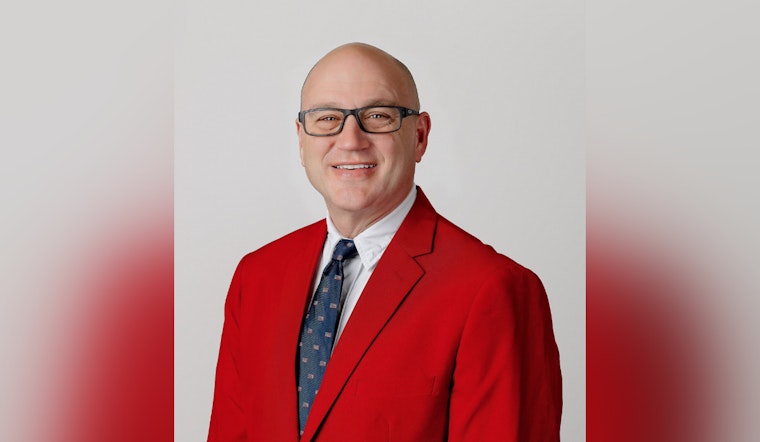
A Missouri appeals court has yanked a key line from Secretary of State Denny Hoskins’ ballot summary for a proposal to bar state funding of private schools, ruling that his wording wrongly suggested special-education programs would be wiped out. The panel ordered new language that clearly preserves services for students with disabilities, marking the latest skirmish in Missouri’s long-running fight over vouchers and how ballot measures are framed for voters. With the ruling, petitioners, advocates and state officials are now working off a tighter certified summary heading into the 2026 petition and ballot season.
What the court found
The dispute centered on a bullet point in Hoskins’ summary that said the measure would “eliminate existing programs that provide direct aid to students with special education needs.” The court noted that the underlying petition actually allows public aid for services to disabled students, and said the summary glossed over that exception. Judges concluded that leaving out the disability carve-out made the summary “insufficient and unfair” and certified new wording to replace it. The Secretary of State’s Office declined to comment, according to reporting from the St. Louis Business Journal.
How the language changed
The appeals panel signed off on new summary language stating that the initiative would “eliminate certain expenditures that provide direct or indirect aid to students for their educational needs by prohibiting the use of public funds for educational services provided by nonpublic schools, except for services provided to disabled students.” The opinion, filed Jan. 29 in the Omohundro case and authored by Judge W. Douglas Thomson of the Western District, is part of the published court record. The revised summary spells out the disability exception explicitly and is now the certified language for the ballot, according to the court opinion on Justia.
Who could intervene — and who couldn't
In the same decision, the appeals court turned away an effort by parent and voucher supporter Becki Uccello to intervene on appeal to defend Hoskins’ original summary. The judges found she lacked standing to step into that role. The court explained that private parties have a statutory right to challenge certified ballot titles, but they generally do not have a separate right to defend a secretary of state’s language at the appellate stage. That conclusion, and the court’s reasoning on intervention, is detailed in coverage from Missouri Independent.
Why MOScholars matters
Looming over the fight is MOScholars, Missouri’s tax-credit scholarship program that allows donors to fund scholarship accounts used at private and religious schools, with priority or extra amounts for students who have individualized education plans. The Missouri State Treasurer’s Office details eligibility rules and the role of certified Educational Assistance Organizations in its official MOScholars FAQ. Legal filings and local coverage have repeatedly noted that changes to constitutional wording, or to how courts police ballot summaries, could influence how scholarship programs like MOScholars are defended or challenged in court. Those debates, including concerns from public education advocates and school choice supporters, have been tracked in local reporting from KCUR.
Legal takeaway and next steps
The appeals ruling lands after the Missouri Supreme Court struck down SB 22, a 2025 law that had given the Secretary of State extra chances to rewrite ballot titles. That earlier decision reshaped the ground rules for how disputed summaries are handled. In its Nicholson opinion, the high court scrapped the contested procedural mechanism and left trial and appellate courts to apply the long-standing statutory standards of sufficiency and fairness, which is why the Western District’s certified wording in this case now carries so much weight. Either side could still seek further review, and the new summary will guide petition circulators and, if the measure qualifies, the voter-facing materials in 2026. The Supreme Court’s Nicholson decision is available in the published record on Justia.
Local reaction
Backers of the Missouri Right to Education Initiative insist their proposal is aimed at cementing a right to quality public schools, not tearing down scholarship programs. Petitioner Spencer Toder has told reporters the measure is not designed to target MOScholars. Voucher advocates counter that broad constitutional language can easily be weaponized in court to go after scholarship programs, and they are treating every word of the certified summary as potential litigation fuel. Local advocates, school leaders and civic groups are bracing for more filings or appeals and are watching the official text closely as petitions circulate, according to the St. Louis Business Journal.


